Incident Overview
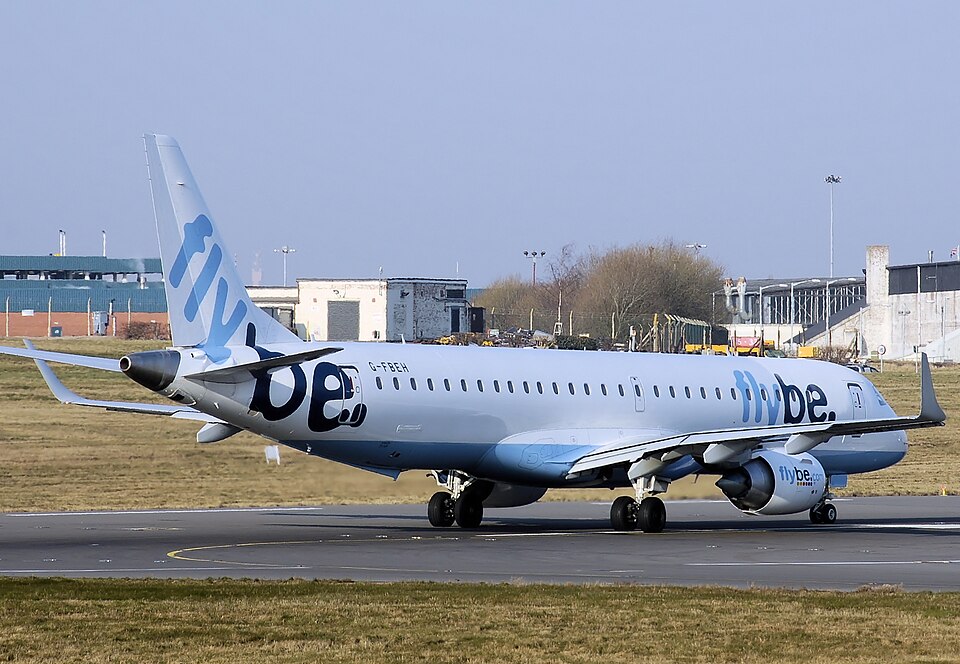
On 15 January 2009, at approximately 0740 UTC, an Embraer 190-200 (registration G-FBEH) was in cruise overhead Edinburgh at Flight Level 370. The aircraft, operated on a scheduled passenger service from Aberdeen to London Gatwick, carried five crew and 40 passengers. The Senior Cabin Crew Member (SCCM) poured half a jug of water down the forward galley sink and observed what appeared to be "ice-blue" smoke emanating from the sink. The SCCM assessed that the substance was not steam, as the water had been drawn from the boiler some minutes earlier. No signs of combustion or odour were detected.
Emergency Actions
The flight deck and cabin crews initiated appropriate emergency actions. During the 'Electrical System Fire or Smoke' procedure, the flight crew disarmed the emergency lighting, deployed the Ram Air Turbine (RAT), and then switched off the Integral Drive Generators (IDGs), which are the engine-driven main electrical power sources. Consequently, all cabin lighting extinguished, and only one Primary Flight Display (PFD) and one Multi-Function Display (MFD) remained operational in the flight deck. The RAT deployment produced a loud noise that the cabin crew described as "horrendous" and for which they were unprepared.
Communication Difficulties
Attempting to contact the flight deck, the SCCM pressed the PILOT call button on the cabin interphone handset. The green light above the button illuminated, but the flight crew did not respond. Despite repeated efforts from both forward and aft galleys, no communication could be established. The "smoke" diminished and eventually ceased. However, the cabin crew grew increasingly concerned about the darkness, the unexplained noise, and the lack of communication. They feared that the flight crew might be incapacitated or that a serious emergency had developed on the flight deck. They subsequently attempted to access the flight deck using the emergency flight deck access system, but it did not function. The commander eventually made a public address announcement explaining that the aircraft was diverting to Newcastle, alleviating the cabin crew's concerns. The aircraft landed safely at Newcastle, where fire and rescue service inspection using a thermal imaging camera found no evidence of heat or fire.
Interphone and Flight Deck Access System Functionality
The interphone system comprises handsets with illuminated pushbuttons at both galleys and audio panels in the flight deck. Under normal power, pressing the PILOT call button causes a single chime in the flight deck and illuminates the CAB pushbuttons on the pilots' audio panels, enabling voice communication. The EMER PILOT button triggers a triple chime and illuminates the EMER pushbuttons. With emergency power from the RAT and batteries, the EMER PILOT function operates normally, but the PILOT call function only illuminates the green light and sounds a chime; the CAB pushbuttons do not illuminate, and voice communication cannot be established. The flight deck access system also does not function on emergency power; access relies solely on action within the flight deck.
Engineering Investigation
Inspection of the forward galley revealed no signs of fire or smoke. Chemical analysis of fluid and scale-like deposits from the boiler and its drip tray were consistent with normal water operation. The boiler underwent functional testing and strip inspection at the manufacturer, with no significant findings. A satisfactory explanation for the "blue smoke" could not be determined, though the "ice-blue" light above the sink likely contributed to the crew's perception of danger.
Operational Findings
The operator's manual did not detail the behaviour of the interphone and flight deck access systems under emergency power, and training had not covered these conditions. The "false positive" indication of the PILOT call (green light illuminated) was critical; had the system not appeared to function, the cabin crew would likely have attempted the EMER PILOT call instead of suspecting flight crew incapacitation.
Safety Recommendations
The AAIB issued four safety recommendations in Special Bulletin S1/2009:
- 2009-017: Notify operators to inform flight crew of the importance of advising cabin crew when the aircraft is on emergency power.
- 2009-018: Notify operators to inform flight and cabin crew of the interphone system's functioning on emergency power.
- 2009-019: Modify the interphone system of Embraer 190 family aircraft to allow both normal and emergency calls during emergency power.
- 2009-020: Notify operators to inform crew of the flight deck access system's operation on emergency power.
Embraer agreed with recommendations 2009-018 and 2009-020, incorporating information into the Airplane Operations Manual and Flight Attendant Manual. For 2009-017, Embraer considered it inadvisable to increase flight crew workload in an electrical emergency. Recommendation 2009-019 remained under analysis by Embraer engineering.