No fatalities

2008-09-22: Fokker F28 Fellowship (HC-CDT) — Icaro — Quito-Mariscal Sucre (Tababela), Ecuador

Quito-Mariscal Sucre (Tababela), EcuadorTakeoff (climb)

On September 22, 2008, a Fokker F28 Fellowship (registration HC-CDT) operated by Icaro was involved in an aviation accident near Quito-Mariscal Sucre (Tababela), Ecuador during takeoff. No fatalities were reported. Investigators recorded the probable cause as: Failure of the crew to follow the published procedures following a fire alarm, as stated in the Operations Manual and the late application of the procedures once the decision to abort the takeoff was taken. This summary draws on records from the Bureau of Aircraft Accidents Archives (B3A); 1 related events involving the same aircraft type or operator are linked below.

Sourcesthe Bureau of Aircraft Accidents Archives (B3A)Primary reportUpdated 1781197162Data APIEditorial standards
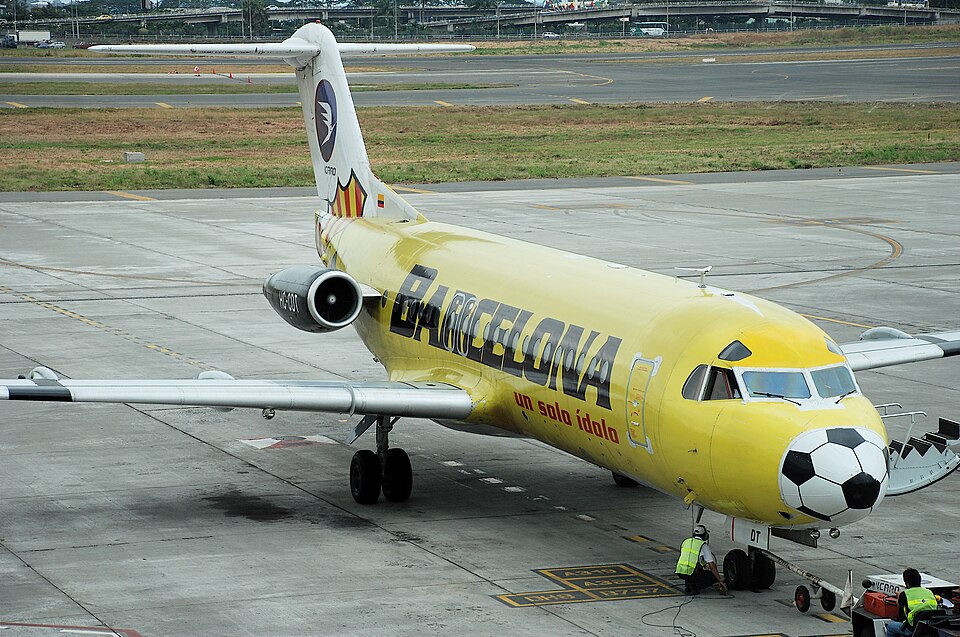
Aircraft registered HC-CDT
Aircraft registered HC-CDT. Photo: Aero Icarus from Zürich, Switzerland / CC BY-SA 2.0, via Wikimedia Commons

During takeoff from runway 25, a fire alarm prompted the captain to abort. The aircraft overran, struck an ILS antenna, went down an embankment, and hit a wall, coming to rest 300 meters past the runway. Eight passengers were injured; all 66 occupants were rescued.

Incident Summary

On takeoff roll from runway 25 at Quito-Mariscal Sucre Airport, the flight crew received a fire alarm for the forward cargo compartment. The captain decided to abandon the takeoff and initiated emergency braking. The aircraft was unable to stop within the remaining runway distance, overran the end of the runway, collided with the ILS antenna, went down an embankment, and then struck a brick wall before coming to rest 300 meters past the runway threshold.

Injuries and Damage

All 66 occupants were evacuated from the aircraft. Eight passengers sustained injuries during the incident. The aircraft itself was damaged beyond repair.

Probable Cause

According to the official investigation, the probable cause was the failure of the crew to follow the published procedures following a fire alarm, as stated in the Operations Manual, and the late application of the procedures once the decision to abort the takeoff was taken. Contributing factors included complacency on the part of the crew, who did not conduct a pre-takeoff briefing; a factor that influenced the lack of appropriate action to successfully handle the emergency; lack of crew resource management; and a low braking coefficient due to wet runway surface.