Background
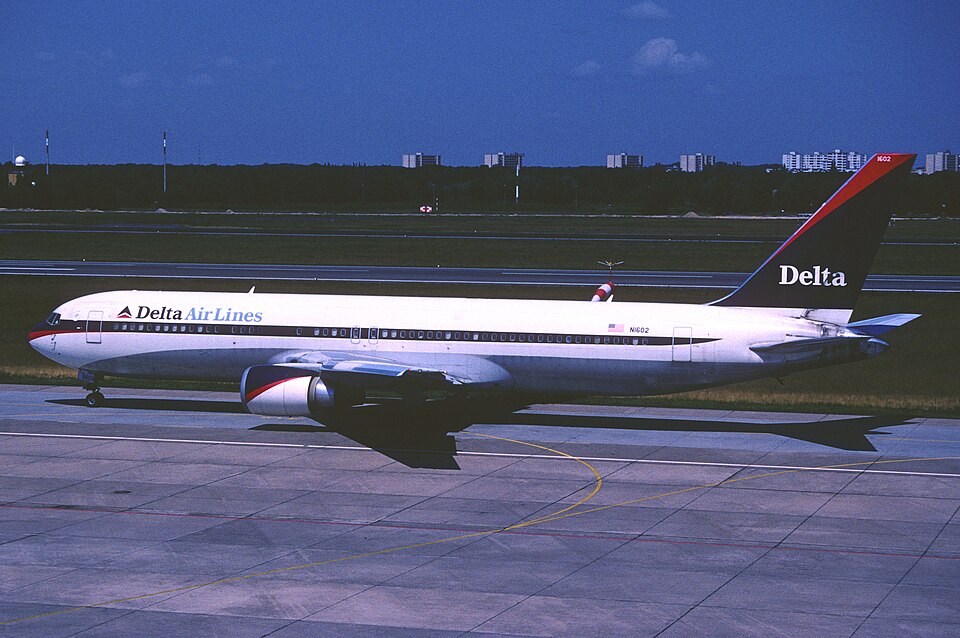
On 8 February 2022, a Boeing B767-332ER aircraft operated by Delta Air Lines, registration N1602, was involved in an incident in UIR LECM (Galicia, Spain). The aircraft was on a scheduled flight from John F. Kennedy International Airport (KJFK) to Adolfo Suárez Madrid-Barajas Airport (LEMD). The flight crew consisted of three pilots, and there were cabin crew and passengers on board. No injuries were reported, and the aircraft sustained no damage.
Flight History
After departure, the aircraft climbed to its initial cruising level of FL370. During climb, the CABIN AUTO INOP warning illuminated, indicating an issue with the automatic pressurization system. The crew proceeded with the non-normal checklist and continued the climb. At FL340, the CABIN ALTITUDE warning activated, signaling a loss of cabin pressurization. The crew declared an emergency and initiated an emergency descent.
Pressurization Loss
Investigation revealed that the loss of pressurization resulted from a leak in the water system of the rear lavatory. At the very low temperatures encountered at cruise altitude, the leaking water caused ice to form on the outflow valve (OFV). This ice accumulation prevented the OFV from moving, leading to an inability to control cabin pressure. The cabin pressure controllers (CPCs) had recorded a fault related to ice on the OFV during the previous flight, but this information was not communicated to the incident flight crew.
Emergency Descent
The flight crew detected the depressurization and performed an emergency descent from FL340 to FL120. During the descent, the cabin altitude warning remained active. The crew donned oxygen masks and continued the descent. After stabilizing at FL120, they assessed the situation and coordinated with air traffic control. The crew later climbed to FL280 and continued to Madrid, where a normal landing was made.
Aftermath
Post-incident inspections identified that the water system leak was caused by the use of plastic clamps instead of the required metal clamps on hoses in the rear lavatory. The ineffective troubleshooting procedure in the Fault Isolation Manual (FIM) task 21-31-03 had failed to address the CPC fault from the previous flight. The manufacturer (Boeing) has since issued a service bulletin recommending replacement of plastic clamps with metal clamps in certain water system areas.
Probable Cause
The incident occurred as a result of a loss of pressurisation due to a leakage of the water system in the rear lavatory which, under very low temperatures at cruise altitude, created an ice formation on the outflow valve that prevented its movement, the depressurisation being detected by the flight crew who performed an emergency descent. Contributing factors included the use of plastic clamps instead of metal clamps in the water system hoses, the fact that the detection of the fault recorded in the CPC memory (resulting from ice formation on the OFV during the previous flight) was not communicated to the flight crew and the operation of the aircraft was not reviewed, and the ineffectiveness of the FIM task 21-31-03 to troubleshoot the CPC faults.