History of the Flight
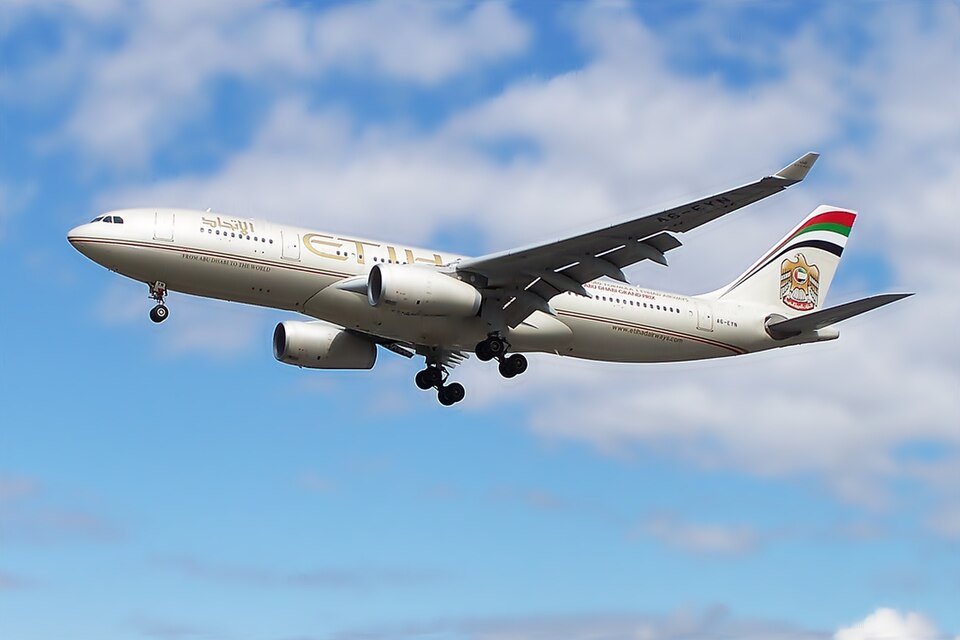
On 4 May 2016, an Etihad Airways Airbus A330-243, registration A6-EYN, was in cruise at FL370 near the Bangka Islands, Indonesia. The aircraft encountered severe turbulence, which resulted in injuries to passengers and cabin crew. The flight track and the area of the encounter are documented in the investigation.
Injuries to Persons
Eleven passengers and two cabin crew members sustained injuries. One passenger suffered serious injuries. The injuries were consistent with the sudden onset of severe turbulence.
Damage to Aircraft
The severe turbulence caused damage to the aircraft interior. The aft cabin ceiling and mid galley were damaged. The passenger service unit in the area of the injured passengers was also damaged. Figure 2 in the report shows the condition of the aft cabin ceiling and mid galley, and Figure 4 shows the damaged passenger service unit.
Meteorological Information
A prognosis chart indicated development of cumulonimbus clouds extending above FL470. Wind at FL370 around the occurrence area was from the southeast at 10 knots. Satellite weather imagery at 0640 UTC showed cloud formations consistent with convective activity.
Flight Recorders
Data from the Flight Data Recorder (FDR) and Cockpit Voice Recorder (CVR) were analyzed. The FDR data showed the aircraft's response to the turbulence, including rapid changes in wind profiles across longitudinal, lateral, and vertical axes. The CVR recorded crew communications.
Analysis
The investigation determined that the aircraft encountered severe turbulence while the fasten seat belt sign was off. The flight crew did not anticipate the turbulence due to limited display of the weather radar and the absence of pilot reports. The fasten seat belt sign being off contributed to passengers being unprepared for the turbulence.
Contributing Factors
The contributing factors identified were: the aircraft encountered severe turbulence while the fasten seat belt sign was off; the flight crew did not anticipate the turbulence due to the limited display of weather radar and the absence of pilot reports; and the lack of passenger awareness to the potential of turbulence due to the fasten seat belt sign being off resulted in passengers being unprepared for the turbulence.