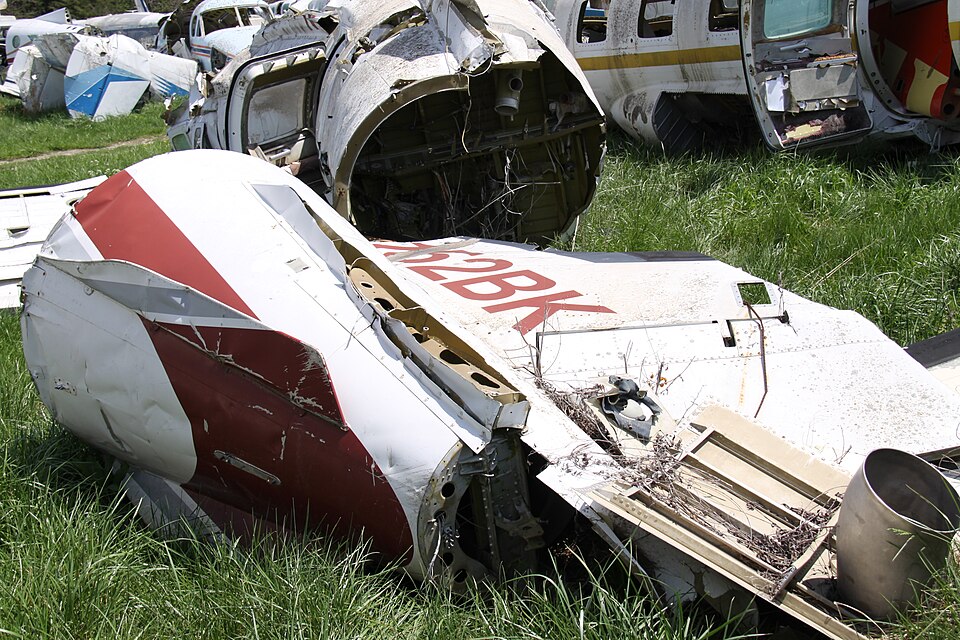
Accident Occurrence
The airplane struck a ridgeline approximately 1.5 miles from the runway, occurring about 7 to 14 seconds after the pilot reported a dual engine flameout. The pilot indicated the flameout at an altitude of about 400 feet agl.
Investigation Findings
Post-accident inspection of the airplane found no preexisting anomalies. Weather information indicated that icing conditions were forecast, and pilot reports (PIREPS) noted light to moderate rime/mixed icing along the route of flight. The Continuous Ignition switches were discovered in the OFF position.
The Approach procedures in the Airplane Flight Manual stated: "CONTINUOUS IGNITION SHALL BE SELECTED TO ON DURING APPROACH AND LANDING WHILE IN OR SHORTLY FOLLOWING FLIGHT IN ACTUAL OR POTENTIAL ICING CONDITIONS."
The aircraft manufacturer had issued a Service Bulletin in 1995 for the installation of an auto-ignition system intended to reduce the possibility of engine flameout when icing conditions are encountered and continuous ignition is not selected. The operator had not installed this non-mandatory service bulletin.
On May 5, 2000, the FAA issued an Airworthiness Directive that required the installation of an auto-ignition system.
Toxicology testing detected extremely high levels of dihydrocodeine in the pilot's blood. The pilot had received a special issuance second-class medical certificate on August 22, 1995, after treatment for a self-disclosed history of drug abuse. The drug testing that the pilot underwent as a consequence of that history would not have detected the substances found.
Probable Cause
The pilot failed to follow the flight manual procedures and did not engage the Continuous Ignition system, resulting in both engines flaming out when the air induction system was blocked with ice. Additional factors included the hilly terrain, the icing conditions, and the operator not complying with a Service Bulletin for the installation of an auto-ignition system.