History of the Flight
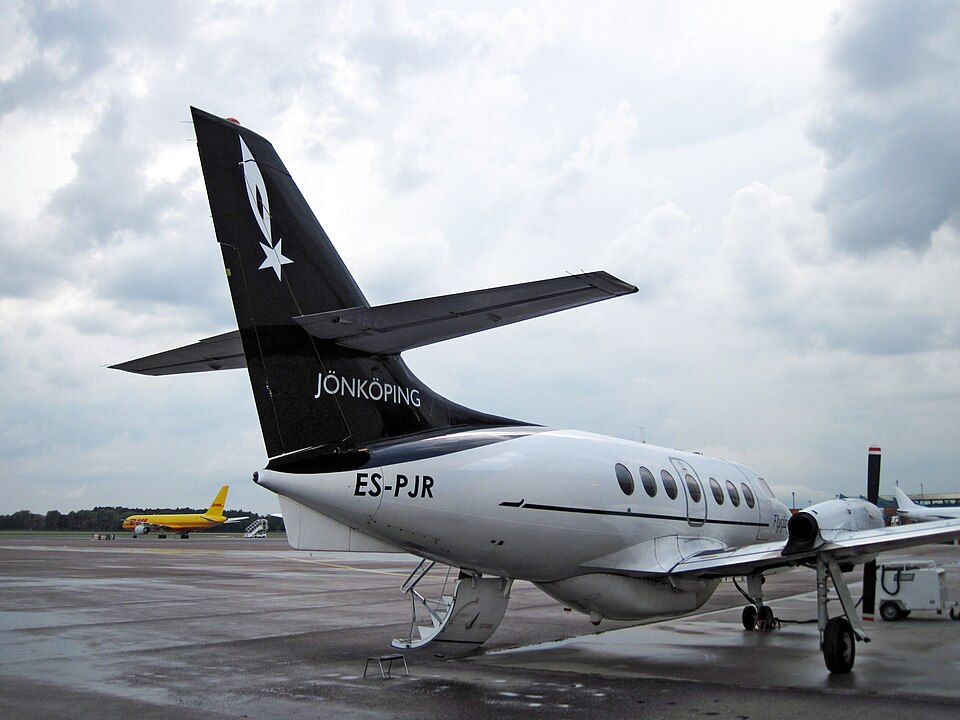
On 3 May 2013, a Jetstream 3200 aircraft, registration ES-PJR, operated by AS Avies, was conducting a take-off from Sveg Airport. During the take-off roll, the crew experienced abnormal engine behaviour. The commander and co-pilot did not perform the before-take-off check properly, leading to an incorrect engine configuration. The aircraft's propeller synchronising system had disconnected, but the crew was not warned by the system. The flight crew aborted the take-off and the aircraft remained on the runway. No injuries were reported.
Injuries and Damage
According to the report, there were no injuries to persons. The aircraft sustained damage to the engine and propeller system.
Aircraft Information
The aircraft involved was a Jetstream 3200, a twin-engine turboprop. The operator was AS Avies. The aircraft was equipped with a propeller synchronising system designed to maintain equal RPM between engines. The report notes that the system did not provide a warning when it disconnected.
Investigation Findings
The Swedish Accident Investigation Authority (SHK) investigated the incident. The investigation found that the flight data recorder (FDR) and cockpit voice recorder (CVR) were not functioning at the time of the incident, which hampered analysis. The crew's failure to properly execute the before-take-off checklist resulted in an incorrect engine configuration. Additionally, the propeller synchronising system's lack of a warning contributed to the situation.
Causes
The incident was caused by the commander and co-pilot not performing the before-take-off check properly, which resulted in an incorrect engine configuration at take-off. The fact that the crew was not warned by the aircraft's propeller synchronising system that the system had disconnected contributed to the incident. Contributing factors were that the Flight Data Recorder (FDR) and Cockpit Voice Recorder (CVR) were not functioning.