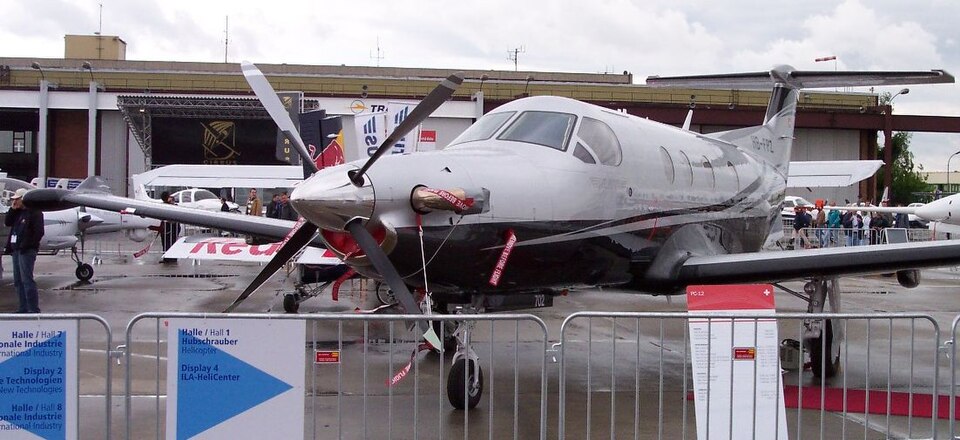
Accident Details
A pilot departed from Anvers, Belgium, at approximately 14:40, bound for Saanen, Switzerland, with three passengers. The flight was conducted under instrument flight rules (IFR) initially, later transitioning to visual flight rules (VFR) at a cruise altitude of 26,000 feet. About one hour and fifteen minutes into the flight, while still under IFR, the Geneva controller cleared the pilot to descend to flight level 210 and proceed toward Saanen for an approach.
Flight and Communications
Shortly after the clearance, radar data showed the aircraft deviating from its planned trajectory. The controller inquired, and the pilot reported an autopilot problem. The controller then instructed the pilot to follow heading 165°, which the pilot acknowledged. The controller asked, "are you okay, okay for the safety, it's good for you?" The pilot responded that he had a "big problem." Radar data depicted tight turns during the descent. When the controller asked for status, the pilot stated he was in "total IMC" (instrument meteorological conditions). During this transmission, the aircraft's overspeed warning was audible.
Loss of Control and Structural Failure
The aircraft was descending at 15,500 feet per minute, then approximately ten seconds later, it was climbing at the same rate. About twenty seconds after this reversal, the right wing separated. At that moment, the indicated airspeed was 274 knots and the altitude was 12,750 feet. The aircraft disintegrated upon impact, killing all four occupants.
Debris Distribution
The main wreckage came to rest in woods in the commune of Solemont (25). A piece of the right wing was found approximately 2.5 kilometers from the main site. Additional debris from the right wing was scattered along a southwest-northeast axis, with the farthest fragment located 10 kilometers from the main wreckage.
Investigation and Probable Cause
The investigation determined that the in-flight failure of the right wing resulted from exceeding the aircraft's structural limits (ultimate loads) during a loss of control by the pilot. Due to the absence of flight recorders, the cause of the loss of control could not be determined. However, it is possible that the loss of control was induced by a loss of situational awareness by the pilot while operating an aircraft affected by an icing phenomenon, which may have involved the wings or the area around the roll control.