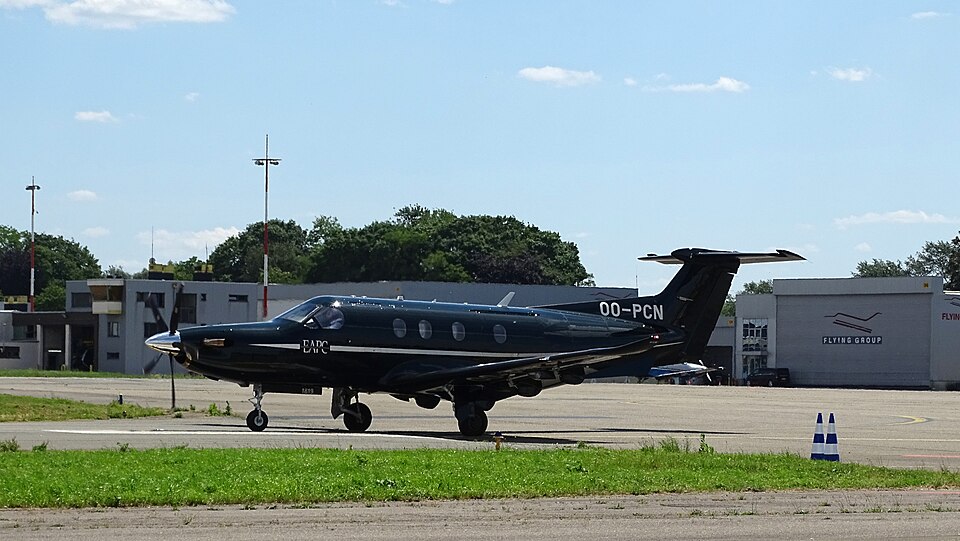
Accident Summary
A single-engine airplane departed Charleroi Airport on a positioning flight to Courchevel Altiport, where it was scheduled to pick up seven passengers. While descending to the altiport, the crew completed the approach checklist, flew over the airfield to check the runway and both windsocks, made a circuit, and initiated a second approach to land.
Sequence of Events
On short final to runway 22, the airplane descended below the runway threshold altitude of 6,371 feet. At a distance of 0.1 nautical miles (185 meters) from the threshold, the aircraft was at an altitude of 6,354 feet and a speed of 84 knots. At that moment, the pilot significantly increased the aircraft's pitch by reducing engine power until it was completely shut down. This caused the airplane to descend too low, resulting in both main landing gear and the nose gear impacting an embankment located below the runway threshold.
Upon impact, the left main landing gear was torn off. The airplane bounced several times on the runway and veered left. The left wing then collided with a snow berm on the left side of the runway and was sheared off. The aircraft entered the snow berm, made a 180-degree turn, and came to rest in the snow. Both crew members escaped with minor injuries. The aircraft was damaged beyond repair.
Probable Cause and Contributing Factors
The official investigation determined that the pilot began his descent late, leading to a higher glide slope than the 5% recommended in calm wind conditions, with the middle of the embankment below the runway threshold as his target point. During the approach to the threshold, the pilot simultaneously increased pitch and reduced engine power completely, causing the landing gear to strike the embankment.
The following factors may have contributed to the unstabilized approach and collision with the embankment: the captain's limited experience flying in mountains and at Courchevel Altiport; the length of practical training for access authorization, which was insufficient given his lack of previous altiport landing experience; and the first officer's lack of mountain flying experience, which prevented him from adequately monitoring the flight path.