No fatalities

Night Crash of Stolen Aircraft Near Private Strip; Marijuana Found (N747CE)

Fort Pierce, United States of AmericaLanding (descent or approach)

On February 6, 1982, a Piper PA-31-310 Navajo (registration N747CE) operated by Aircraft Maintenance Corporation was involved in an aviation accident near Fort Pierce, United States of America during landing or approach. No fatalities were reported. Investigators recorded the probable cause as: In-flight collision with terrain due to the pilot's continuation of VFR flight into IMC and misjudged altitude, with contributing factors of dark night, low ceiling, and the pilot's visual/aural perception. This summary draws on records from the Bureau of Aircraft Accidents Archives (B3A); 1 related events involving the same aircraft type or operator are linked below.

Sourcesthe Bureau of Aircraft Accidents Archives (B3A)Source recordUpdated 2026-07-04Data APIEditorial standards
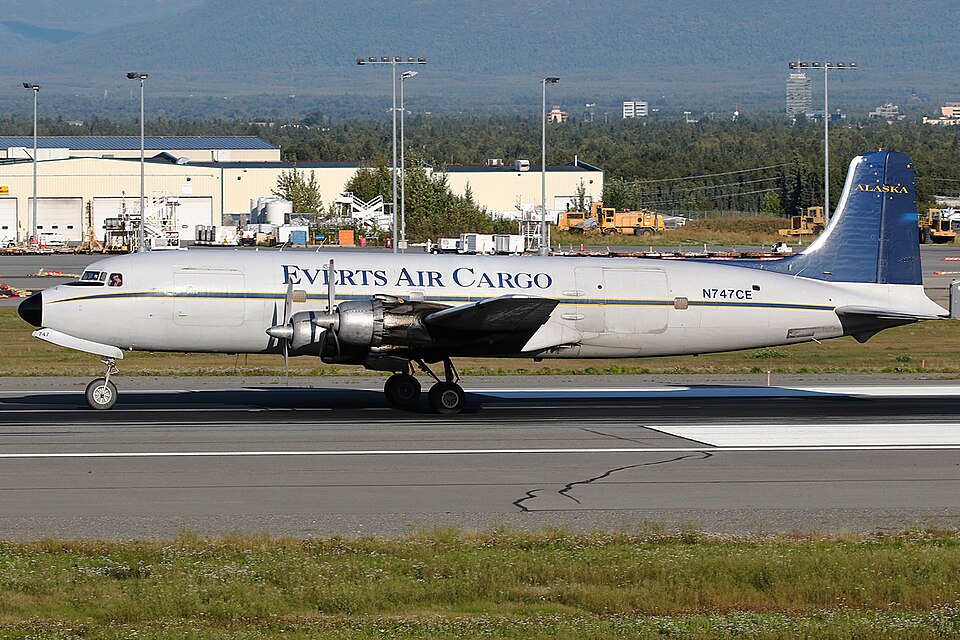
Aircraft registered N747CE
Aircraft registered N747CE. Photo: Jeroen Stroes Aviation Photography from Netherlands / CC BY 2.0, via Wikimedia Commons

A stolen aircraft crashed at night near a private strip in marginal weather. The gear was up, right engine separated, nose crushed, propellers damaged. About 1,300 lbs of marijuana was on board.

Crash Details

The aircraft crashed at night near a private strip in marginal weather conditions. Post-crash examination revealed the landing gear was in the up position, the right engine had broken off, the nose section was crushed back to the windshield, and both propellers were bent and twisted. Approximately 1,300 pounds of marijuana was found on board.

Probable Cause Findings

The official probable cause findings are as follows:

  • Occurrence #1: In-flight collision with terrain/water; phase of operation: unknown.
  • Findings:

1. Stolen aircraft/unauthorized use – performed by pilot in command. 2. Light condition – dark night. 3. Weather condition – low ceiling. 4. VFR flight into IMC – continued by pilot in command. 5. Altitude – misjudged by pilot in command. 6. Visual/aural perception – pilot in command.

The sequence of events indicates the pilot continued visual flight rules (VFR) flight into instrument meteorological conditions (IMC) and misjudged altitude, leading to collision with terrain. Factors included dark night conditions, low ceiling, and the pilot's visual/aural perception.

Frequently asked questions

What happened in the 6 Feb 1982 Piper PA-31-310 Navajo accident near Fort Pierce, United States of America?

A stolen aircraft crashed at night near a private strip in marginal weather. The gear was up, right engine separated, nose crushed, propellers damaged. About 1,300 lbs of marijuana was on board.

Were there any fatalities in the 6 Feb 1982 Piper PA-31-310 Navajo accident?

No fatalities were recorded in this accident.

What aircraft was involved and where did it happen?

The accident on 6 Feb 1982 involved a Piper PA-31-310 Navajo, registration N747CE, operated by Aircraft Maintenance Corporation, at Fort Pierce, United States of America.

What was the probable cause of the accident?

In-flight collision with terrain due to the pilot's continuation of VFR flight into IMC and misjudged altitude, with contributing factors of dark night, low ceiling, and the pilot's visual/aural perception.