No fatalities

Dual Engine Failure and Forced Landing in Park (N27512)

Honolulu, United States of AmericaLanding (descent or approach)

On November 20, 1987, a Piper PA-31-350 Navajo Chieftain (registration N27512) operated by Panorama Air Tour was involved in an aviation accident near Honolulu, United States of America during landing or approach. No fatalities were reported. Investigators recorded the probable cause as: Fuel exhaustion due to inaccurate fuel consumption calculations and inadequate preflight planning by the pilot in command; failure to extend landing gear during forced landing. This summary draws on records from the Bureau of Aircraft Accidents Archives (B3A).

Sourcesthe Bureau of Aircraft Accidents Archives (B3A)Primary report: the U.S. National Transportation Safety Board (NTSB) historical archiveUpdated 2026-07-04Data APIEditorial standards
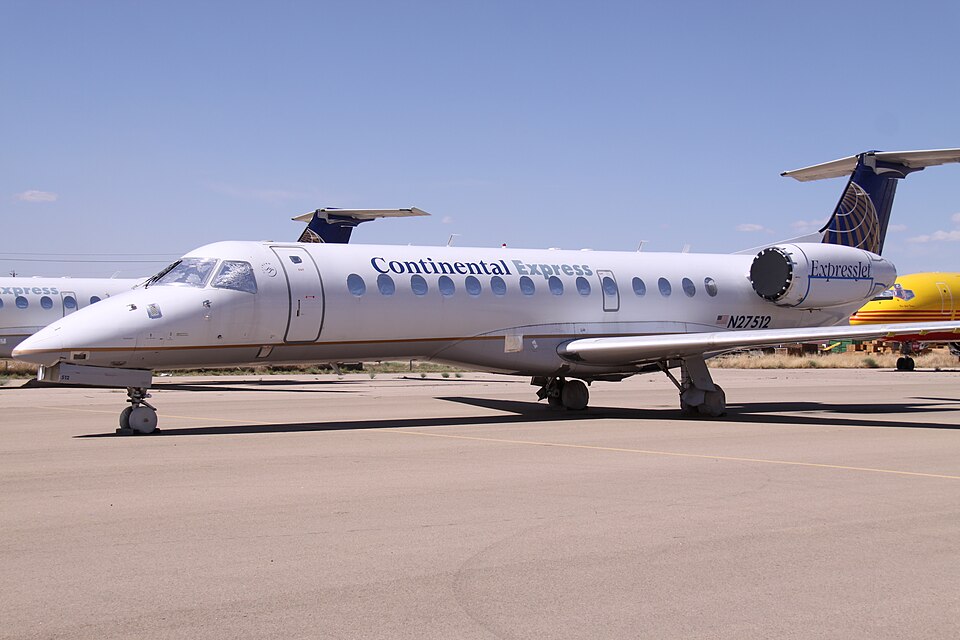
Aircraft registered N27512
Aircraft registered N27512. Photo: Aeroprints.com / CC BY-SA 3.0, via Wikimedia Commons

During descent for the traffic pattern, both engines failed due to fuel exhaustion. The pilot executed a forced landing with landing gear not fully extended, impacting terrain and sliding into a fence.

Incident Details

The pilot performed a preflight inspection and estimated that the aircraft's reduced fuel quantity was sufficient for the flight. As the aircraft descended to enter the traffic pattern near the destination airport, both engines failed simultaneously. The power loss was total and nonmechanical in nature.

Forced Landing Sequence

Following the engine failure, the pilot initiated a forced landing procedure and selected a park as the landing site. During the landing, the landing gear was not fully extended. The aircraft impacted the ground and subsequently slid into a fence, which brought it to a stop.

Official Findings

The investigation identified three occurrences. The first occurrence, loss of engine power (total) during normal descent, had findings: (1) fuel exhaustion, (2) inaccurate fuel consumption calculations by the pilot in command, and (3) inadequate preflight planning by the pilot in command. The second occurrence was the forced landing during emergency descent; no additional findings were listed for that phase. The third occurrence was an on-ground collision with an object during landing; findings included (4) the object being a fence, and (5) the pilot in command did not attain full landing gear extension.

Probable cause

Fuel exhaustion due to inaccurate fuel consumption calculations and inadequate preflight planning by the pilot in command; failure to extend landing gear during forced landing.

Frequently asked questions

What happened in the 20 Nov 1987 Piper PA-31-350 Navajo Chieftain accident near Honolulu, United States of America?

During descent for the traffic pattern, both engines failed due to fuel exhaustion. The pilot executed a forced landing with landing gear not fully extended, impacting terrain and sliding into a fence.

Were there any fatalities in the 20 Nov 1987 Piper PA-31-350 Navajo Chieftain accident?

No fatalities were recorded in this accident.

What aircraft was involved and where did it happen?

The accident on 20 Nov 1987 involved a Piper PA-31-350 Navajo Chieftain, registration N27512, operated by Panorama Air Tour, at Honolulu, United States of America.

What was the probable cause of the accident?

Fuel exhaustion due to inaccurate fuel consumption calculations and inadequate preflight planning by the pilot in command; failure to extend landing gear during forced landing.