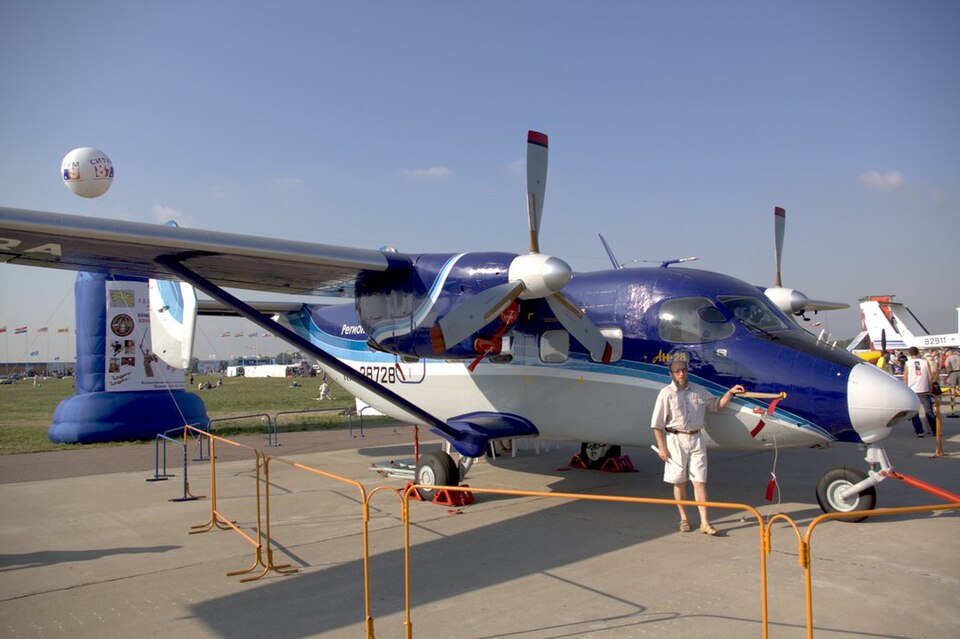
Incident Overview
On a flight from Kedrovy to Tomsk, an An-28 aircraft (registration RA-28728) experienced the simultaneous failure of both engines while cruising at an altitude of 12,000 feet in icing conditions. The crew attempted to restart the engines but was unsuccessful. In response, they reduced altitude and executed an emergency landing in the taiga.
Landing and Aftermath
The aircraft flipped over upon impact and came to rest upside down. The wreckage was located approximately 1430 local time, about 52 kilometers southeast of Kedrovy. All 17 occupants were alive after the accident; a few sustained injuries, including the captain who suffered a broken leg. The aircraft was damaged beyond repair.
Official Probable Cause
The official investigation determined that the accident occurred during a forced landing on an improvised landing site due to the simultaneous shutdown of both engines while in flight. The engines shut down spontaneously while the aircraft was operating in icing conditions with the Pitot-Static System (POSS) turned off. This was attributed to ice ingestion into the POSS air intake.
Contributing factors included: the crew's failure to follow Aircraft Flight Manual procedures for manually activating the POSS in icing conditions; violation of duty and rest time regulations that may have led to operational fatigue; the crew's failure to invoke their right to cease duties due to fatigue, despite the absence of established airline procedures for such action; increased hypoxia stress when flying above 3000 meters without supplemental oxygen, violating regulations; and a malfunction of the ice detection sensor (DSL-40T) that prevented ice detection alerts and automatic POSS activation.