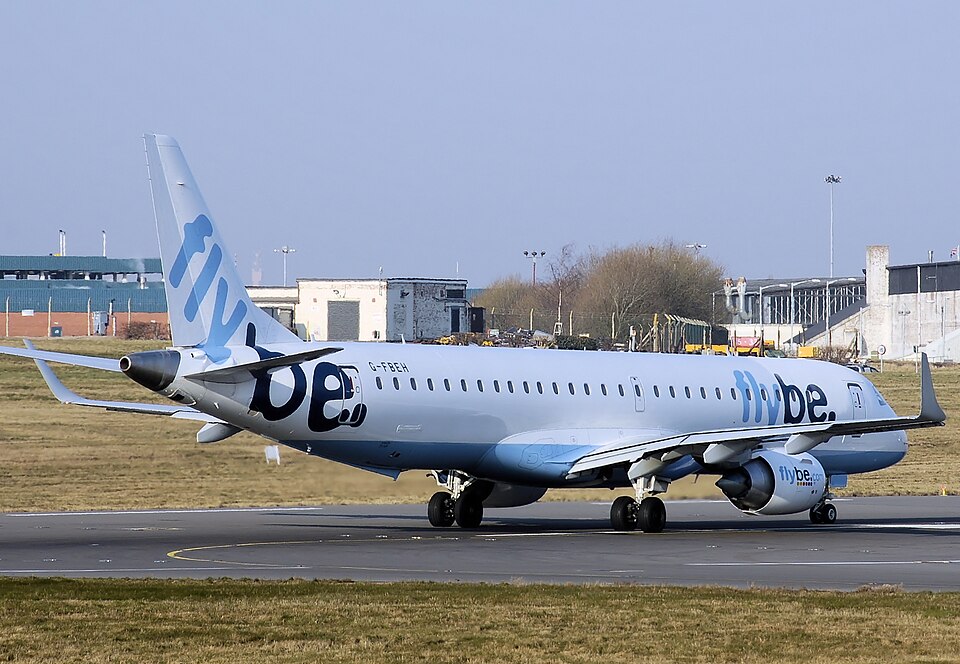
Incident Overview
On 15 January 2009, an Embraer 190-200 (registration G-FBEH) was cruising at FL370 overhead Edinburgh on a scheduled passenger flight from Aberdeen to London Gatwick. The Senior Cabin Crew Member (SCCM) poured half a jug of water down the forward galley sink and observed what appeared to be ice-blue coloured smoke emanating from the sink. He checked the galley for fire and called another crew member; both assessed the phenomenon as not steam, noting no signs of combustion or odour.
Emergency Actions
The flight deck and cabin crews took appropriate emergency action. During the 'Electrical System Fire or Smoke' procedure, the flight crew disarmed the emergency lighting, deployed the Ram Air Turbine (RAT), and selected off the Integral Drive Generators (IDGs), the engine-driven main electrical power sources. This caused all cabin lighting to extinguish; it was early morning with little ambient light. In the flight deck, only one Primary Flight Display (PFD) and one Multi-Function Display (MFD) remained operational.
Communication Difficulties
The cabin crew heard a noise from the RAT described as "horrendous", for which they were unprepared. The SCCM attempted to contact the flight crew using the cabin interphone system by pressing the PILOT call button. The green light above the button illuminated, but no voice communication could be established. Despite repeated attempts using handsets in both the forward and rear galleys, the flight crew did not answer. The cabin crew did not attempt the EMER PILOT function, as it differed only in the number of chimes from the normal call.
The smoke diminished and eventually ceased, but the cabin crew became concerned about the darkness in the cabin, the unexplained noise, and the lack of communication. They considered the possibility of flight crew incapacitation or a serious emergency in the flight deck. After some minutes, they attempted to access the flight deck using the emergency flight deck access system, but that also did not function.
Resolution and Landing
Concern among the cabin crew continued until the commander made a public address announcement that the aircraft was diverting to Newcastle. The aircraft landed safely and was inspected by the Airport Fire and Rescue Service, who used a thermal imaging camera to search for heat or fire evidence; none was found.
System Functioning on Emergency Power
Testing on another Embraer 190-200 aircraft revealed similar interphone system functioning under emergency power. The pilot call function appeared to work normally (green light illuminated) but voice communication was impossible. The operator's operations manual did not detail the interphone and flight deck access systems when the aircraft was on emergency power, and crew training had not addressed this.
Safety Recommendations
The AAIB investigation is continuing and issued four safety recommendations:
- Embraer should immediately notify operators of the Embraer 190 family to inform flight crew of the importance of advising cabin crew when on emergency electrical power.
- Embraer should notify operators to inform flight and cabin crew of the interphone system's functioning on emergency electrical power.
- Embraer should modify the interphone systems of Embraer 190 family aircraft to allow both normal and emergency calls on emergency electrical power.
- Embraer should notify operators to inform flight and cabin crew of the flight deck access system's functioning on emergency electrical power.