What happened
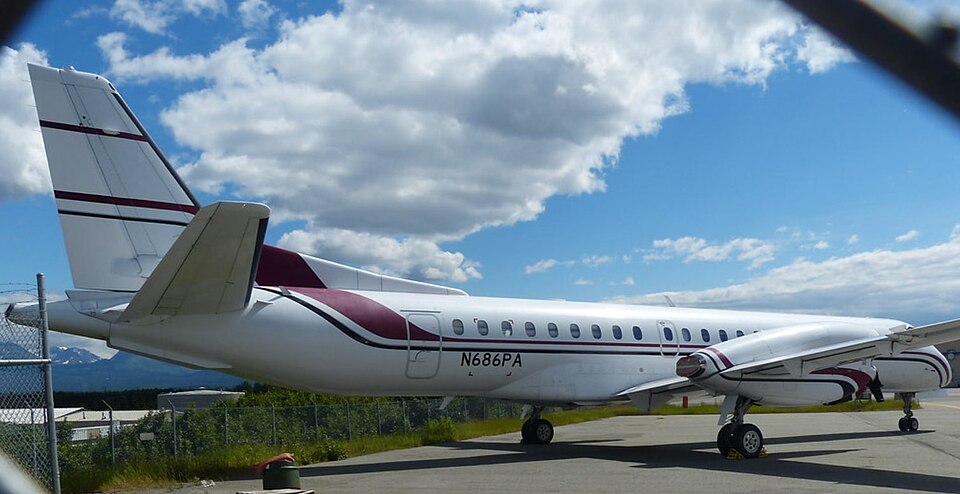
On October 17, 2019, a Saab SA-2000 operated by Peninsula Aviation Services Inc. (operating as PenAir) was performing a landing approach at Unalaska Airport in Alaska. After an initial missed approach, the flight crew entered the traffic pattern to attempt a second landing on runway 13. Prior to the second touchdown, the crew received reports of wind conditions at midfield measuring 24 knots from 300 degrees, suggesting a significant tailwind for the chosen runway. Despite the potential for increased landing distance due to these winds, the decision was made to proceed with the landing on runway 13 rather than switching to runway 31.
Upon touchdown, calculations indicated a tailwind of 15 knots. While the captain noted that initial braking performance seemed standard, the aircraft subsequently experienced a total loss of braking effectiveness despite applying maximum pressure. The aircraft exited the end of the runway and traveled through the 300-foot runway safety area, eventually coming to a stop outside the airport boundaries. The impact caused substantial damage to the aircraft. Among the 39 passengers and 3 crewmembers on board, 1 fatality occurred, along with 1 serious injury and 8 minor injuries.
Findings
Investigations revealed that the primary cause of the accident was an incorrect wiring of the wheel speed transducer harnesses on the left main landing gear, which had been performed by the manufacturer during an overhaul. This error prevented the antiskid system from operating correctly, leading to a failure of the left outboard tire and a critical loss of braking capability. Other contributing factors included design vulnerabilities in the wire harnesses that failed to protect against maintenance errors, insufficient runway safety area dimensions for this aircraft type at Unalaska Airport, and the flight crew's decision to land with tailwind components exceeding manufacturer limits.