Incident Description
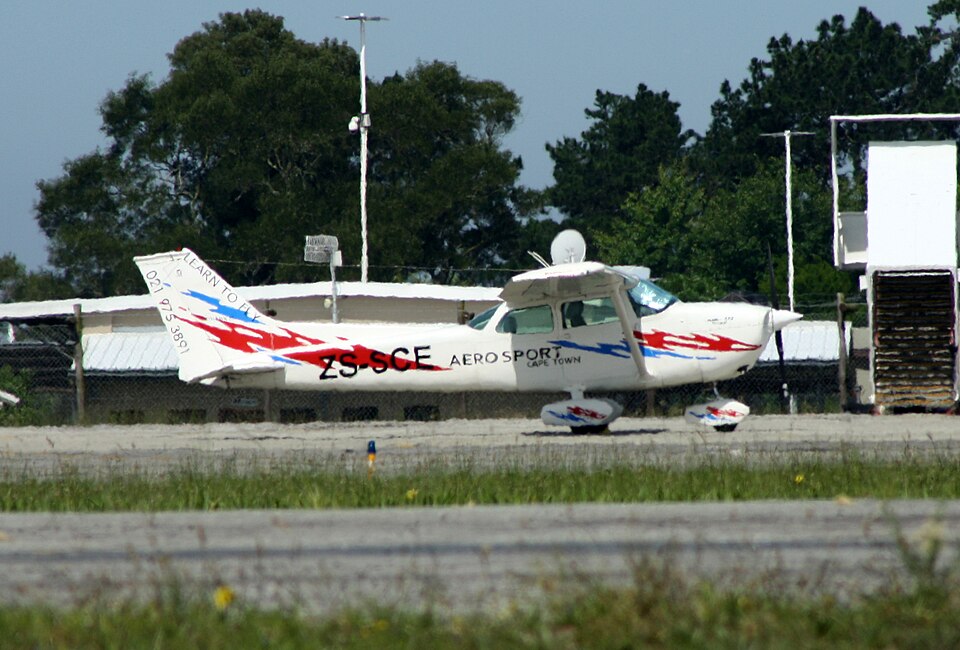
On 13 April 2022, at 1538Z, a Cessna 172M aircraft with registration ZS-SCE was positioned on the apron outside the operator's hangar at Wonderboom Aerodrome (FAWB), Gauteng Province, in preparation for a night flight training flight under Part 141 of the Civil Aviation Regulations. The instructor and student pilot had pulled the aircraft from the hangar to conduct pre-flight inspections and start-up procedures.
During engine start-up, the aircraft was cranked several times. A bystander observed smoke emanating from the bottom of the engine compartment, followed by flames after engine start. The bystander ran toward the aircraft and gestured to alert the instructor and student pilot. Upon being alerted, the instructor and student pilot switched off the engine and disembarked the aircraft. Both were unharmed. The fire was extinguished using a fire extinguisher.
Aircraft and Operator Information
The aircraft was a Cessna 172M (serial number 17263043), with a total of 3536.2 airframe hours. It was operated by Eagle Air Flying School. The aircraft had a valid Certificate of Release to Service issued on 23 February 2022, a valid Certificate of Registration issued on 29 July 2021, and a Certificate of Airworthiness valid until 31 July 2022. The most recent mandatory periodic inspection was performed on 23 February 2022 at 7084.20 airframe hours; the aircraft had flown 65.1 hours since that inspection.
The pilot-in-command held a Commercial Pilot Licence issued on 2 April 2019, valid until 31 July 2022, and a Class 1 medical certificate valid until 31 May 2022. His total flying hours were 1209.2, with 600 hours on type.
Damage and Findings
The aircraft sustained substantial damage. The nose engine cowlings, spinner paint, and landing light were damaged. Gaskets and the plunger were damaged by heat. The air-filter and front baffle rubbers on the carburettor heat box were also damaged. The carburettor was removed and inspected by an aircraft maintenance organisation and found undamaged.
No defects in the navigational or communication systems were recorded prior to the flight. All damaged parts were subsequently replaced, including the carb heat box baffle rubbers, cowling, spinner, air filter, and gaskets. The aircraft was ground-run after repairs, and all systems operated within parameters.
Probable Cause
The engine was over-primed during start-up, resulting in excess fuel catching fire and damaging the engine compartment.