History of the Flight
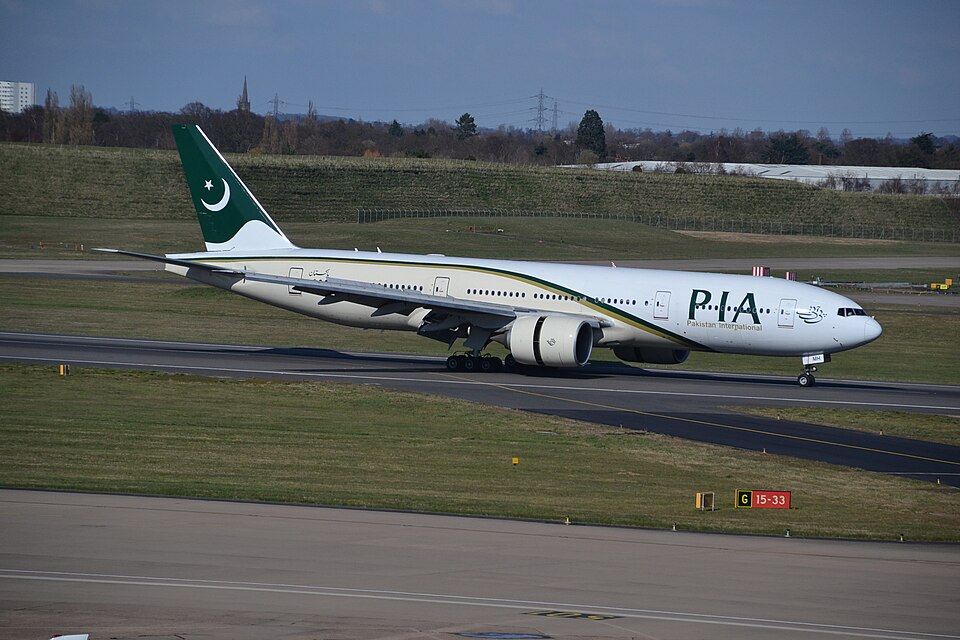
On 2 December 2023, Pakistan International Airlines (PIA) flight PK-743, a Boeing 777-200ER registered as AP-BMH, departed from Jinnah International Airport (JIAP), Karachi, bound for Prince Mohammad bin Abdul Aziz International Airport in Madinah. During the climb phase, at approximately 300 feet above ground level, the right engine exhibited an overheat condition, immediately followed by activation of the engine fire warning system. The flight crew transmitted a "MAYDAY" call to air traffic control at 000400 UTC, declaring an engine fire. They promptly initiated the fire suppression procedures. At 000457 UTC, the crew informed ATC that the immediate threat had been mitigated and downgraded the emergency to "PAN PAN." The aircraft then executed an emergency return to JIAP, landing safely at 002000 UTC.
Injuries and Damage
No injuries were reported among the 288 persons on board (crew and passengers). The aircraft sustained no damage.
Aircraft Information
The aircraft involved was a Boeing 777-200ER, manufacturer serial number 32717, built in December 2005. It had accumulated 68,332 flight hours and 14,937 cycles. The right engine, a General Electric GE90-94B, was replaced on 1 December 2023, and this was its first flight following replacement. There was no prior history of defects associated with this engine. After the incident, examination revealed that the right engine's HP pneumatic duct connection was disconnected at approximately the 3 o'clock position near the high-pressure compressor case. The clamp for the duct was found in the lower section of the engine near the 6 o'clock position. Additionally, the right engine's thrust reverser Pressure Relief 02 doors were found in the operated position. In the cockpit, the right engine fire handle was pulled, and the associated fire extinguishing bottle was discharged. Maintenance messages 73-31872, 73-32102, and 74-30942 were recorded on the Maintenance Analysis and Tracking system.
Investigation Findings
The investigation determined that the HP duct became disconnected because its clamp loosened. This resulted in a hot air leak, which triggered the engine fire warning. The aircraft and engine were inspected according to aircraft publications and were later released for operations after the observed anomaly was rectified.
Conclusion
The serious incident was caused by a loose clamp on an HP duct, leading to a hot air leak that activated the engine fire warning. Prompt crew actions and effective fire suppression ensured a safe return and landing with no injuries or damage.