Introduction
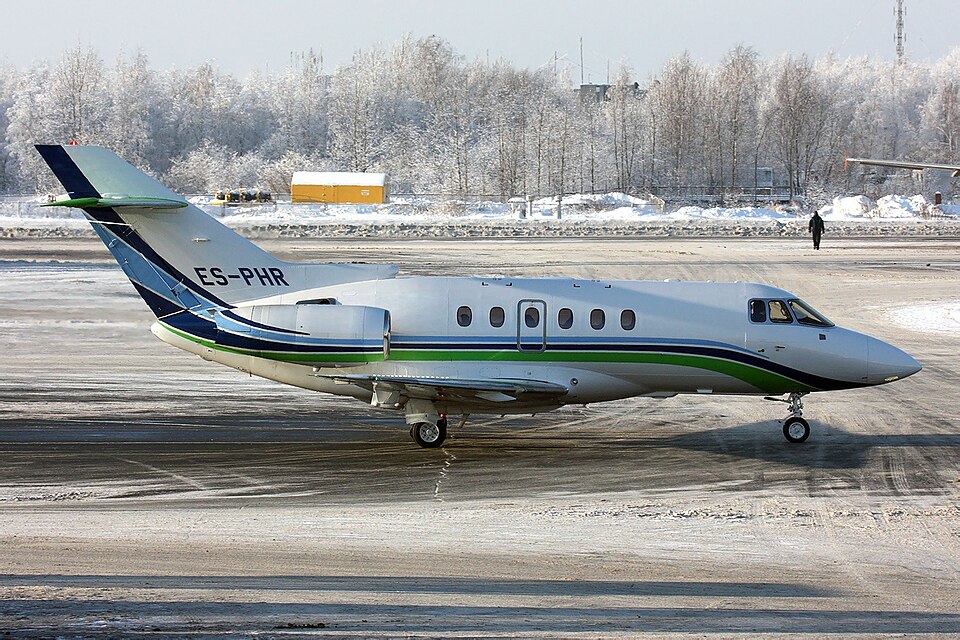
On 28 October 2017, a Hawker Beechcraft 750, registration ES-PHR, experienced a serious incident during landing at Geneva Airport (LSGG). The aircraft, operated by Panaviatic AS, was returning from Grenoble after conducting GNSS approaches for an operator proficiency check. The commander, serving as pilot flying, was evaluated by an instructor occupying the right seat and acting as copilot.
Sequence of Events
The crew contacted Geneva Approach at 12:41:43 UTC, reporting flight level 110. They were cleared via the INDIS waypoint for an ILS approach to runway 05. At 12:45:01 UTC, they were instructed to descend to 7000 ft QNH and subsequently cleared for the ILS 05 approach. At that time, the aircraft was 6 NM from INDIS, approximately 1000 ft above the ILS glide path. The commander remarked they were high but expressed confidence in rejoining the descent profile. The instructor suggested using a certain device (likely speedbrakes), but the commander declined.
At 12:46:43 UTC, while passing 7000 ft and nearly established on the glide path, a click of the handbrake lever engaging a detent was heard on the cockpit voice recorder. The flight data recorder showed the brake mode switched to emergency, and brake pressures immediately rose to about 1300 PSI, remaining there. The landing occurred at 12:52:45 UTC at a groundspeed of 125 kt. During the landing roll, the pilots did not apply brakes but noticed abnormally high deceleration. The commander exclaimed that the brakes were fully locked. The instructor announced at 12:53:03 UTC that the tires had burst. The aircraft stopped at 12:53:09 UTC.
After stopping, at 12:55:15 UTC, the instructor moved the handbrake lever to the park brake position and then immediately released it, demonstrating to the commander that the brake had been engaged. The instructor stated he did not know why it was activated.
Aircraft Information
The Hawker 750's main landing gear features twin wheels with disc brakes and thermal fuses. Three braking modes are selectable via the handbrake lever on the center console: normal, emergency, and park. In normal mode, the main hydraulic system supplies the brakes with anti-skid protection. In emergency mode, the lever activates a separate accumulator that directly applies reduced hydraulic pressure, bypassing anti-skid. The park brake mode uses the same emergency accumulator and locks the brakes mechanically.
Flight Data Recorder Analysis
The FDR recorded that at 12:46:43 UTC, the handbrake lever was moved to the emergency position, and brake pressures jumped to 1300 PSI. The brakes remained in emergency mode throughout the approach and landing until 12:52:57 UTC, when they were returned to normal mode and pressures dropped to zero. The aircraft's groundspeed at that time was 65 kt. The FDR also captured a subsequent movement at 12:55:16 UTC when the instructor briefly cycled the lever, producing a pressure spike to 1800 PSI.
Aftermath
The aircraft sustained minor damage. The runway 05/23 was closed for 1 hour 17 minutes for aircraft recovery due to the destroyed main landing gear tires. There were no injuries to the two crew members or the two passengers.
Conclusion
The investigation determined that the serious incident involved a landing with the parking brake set, as the handbrake lever had been inadvertently moved to the emergency position during the approach, which remained engaged until after landing.