What happened
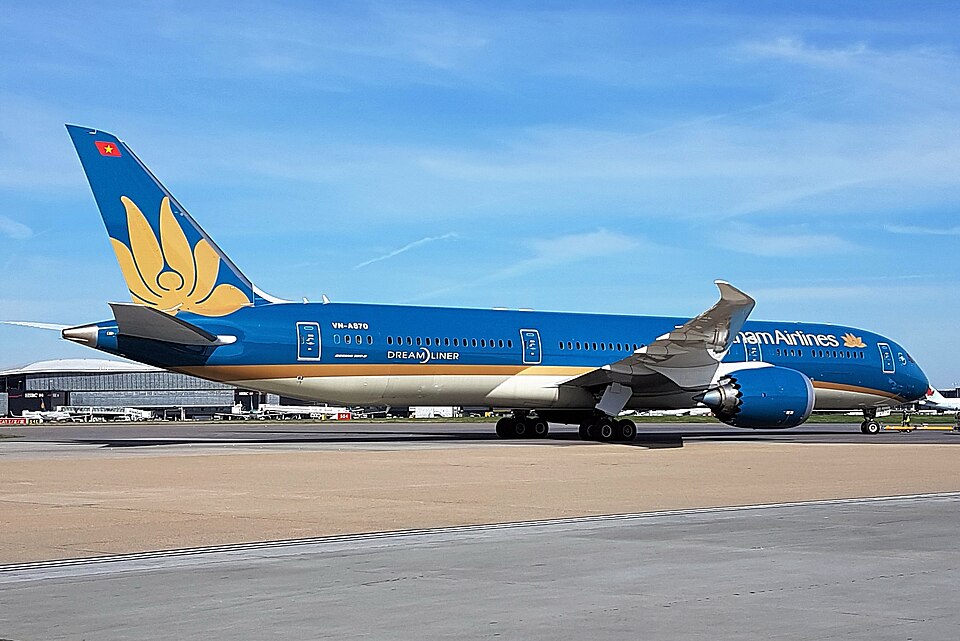
On April 2, 2020, at 18:37 local time, a Boeing 787-9, registration VN-A870, operated by Vietnam Airlines, was involved in a ground incident at Da Nang International Airport. The aircraft was undergoing pushback from stand 25 toward taxiway E6, destined for Ho Chi Minh City.
During the pre-flight preparations, the crew performed cockpit disinfection to mitigate COVID-19 risks. During this process, the co-pilot moved the thrust levers to the Takeoff/Go-Around (TOGA) position to clean the area but failed to return them to the IDLE position. As the engines were started via the automated system, the Electronic Engine Control (EEC) automatically adjusted power based on the lever position. This caused the engine thrust to surge rapidly to takeoff power once the start sequence was complete. The sudden forward movement caused the aircraft to strike a pushback tug, resulting in a broken towbar and damage to the aircraft's right-side nose gear door and underside paint.
The investigation
The Civil Aviation Authority of Vietnam (CAAV) classified the event as a high-risk safety incident (Level C). The investigation team analyzed flight data from the onboard EAFR, interviewed the crew, and reviewed training records. Investigators also consulted Boeing regarding the engine's behavior when starting with levers not set to IDLE. The probe examined the timing of the disinfection process and the adequacy of the airline's internal COVID-19 cleaning protocols.
Findings
- The primary cause was that the thrust levers were not set to the IDLE position prior to engine start, leading to an unintended surge to takeoff power.
- The crew performed cockpit disinfection after completing the pre-flight checks, which led to the inadvertent movement of controls without a subsequent verification.
- The airline's internal guidance for COVID-19 disinfection lacked specific instructions regarding the timing and the handling of flight controls.
- The existing 'Before Start Checklist' did not include a specific requirement to verify the thrust lever position.
- While the crew monitored engine parameters, the monitoring was not effective enough to detect the improper lever setting before the power surge occurred.