Air cargo executive flags capacity mismatch in growing Central Asian market
Demand for air cargo is increasingly originating inside Central Asia, but the available capacity does not always suit the shipments being generated, an industry executive told a regional summit.
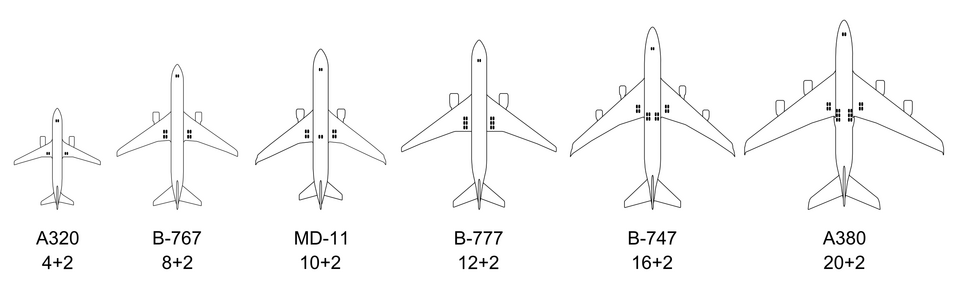
Boeing 747Boeing 777 (all variants)
Central Asia's growing industrial base is creating cargo demand the region's air freight capacity may not be suited to meet, according to a cargo executive speaking at the Central Asia Air Cargo Summit.
Gerhard Coetzee, Vice President Cargo for IMEA at Chapman Freeborn, said the gap is not simply one of volume. Demand is now being generated within Central Asia rather than merely passing through it, he said, and each sector — mining, energy, infrastructure and manufacturing — brings its own kind of cargo requirement. Not all of it can move efficiently on scheduled services, he added.
The region faces an estimated $33 billion in annual infrastructure requirements, and trade through the Middle Corridor could as much as triple by 2030, according to the article.
Connectivity is improving. China is increasingly linked with Kazakhstan, Uzbekistan and Kyrgyzstan, and scheduled connections to Europe are developing. But Coetzee's point is that more links do not equal the right capacity for every shipment. The question is whether a suitable aircraft is available for the cargo, the route and the deadline.
Project cargo shows the problem most clearly. An aircraft may have enough spare payload while the shipment is too large for that type, the route may not be available at the needed time, or the airports involved may lack the ground infrastructure to handle the move. For larger freighters such as the B747F, B777F or AN-124, airport infrastructure and handling can decide whether a movement happens at all. Items like a 70-tonne transformer or 16-metre pipes need suitable loading equipment.
Sources
- aerotime.aeroIs Central Asia running into an air cargo capacity gap?