FAA removes cap on aircraft allowed in rocket debris risk zones
The US Federal Aviation Administration has dropped a limit on how many aircraft may fly through outer parts of hazard zones during rocket launches and re-entries, as launch activity rises. The most dangerous areas remain closed to flights.
The US Federal Aviation Administration has removed a cap on the number of aircraft permitted to pass through the outer sections of danger zones set up for rocket launches and re-entries, according to a report by The Air Current cited in the coverage.
The limit had stood at 6,412 aircraft over a twelve-month period. The FAA had set it to provide 95 percent confidence that no fatal accident caused by debris from a launch or re-entry would occur within 80 years. The threshold was never reached; the number of affected aircraft came to roughly 30 percent of the permitted maximum.
The areas considered most dangerous remain closed to aircraft.
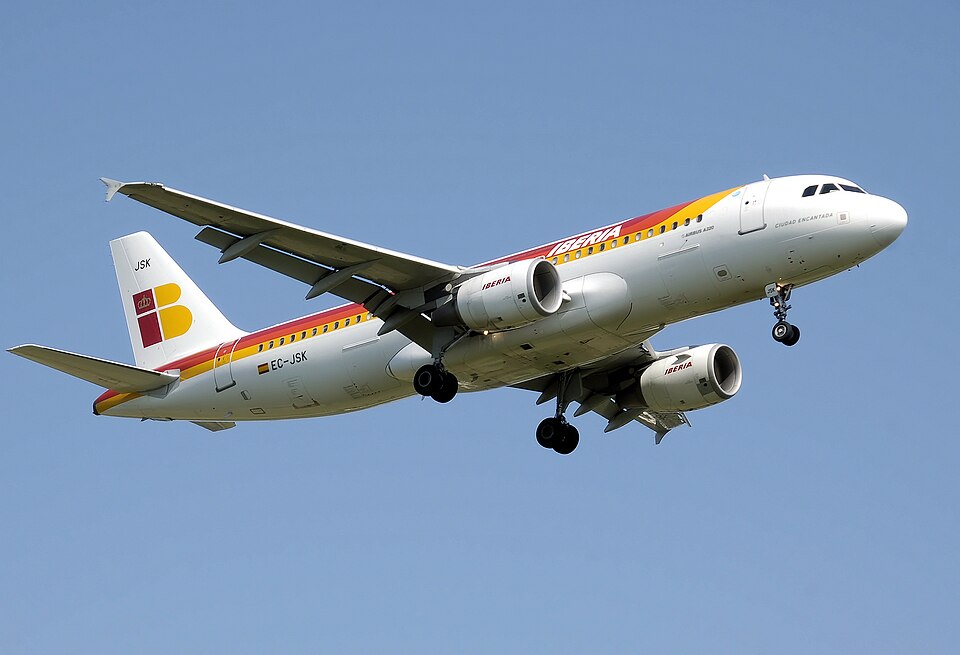
The change comes as rocket launches in the United States become more frequent, increasing the points of contact between spaceflight and air traffic. When the Starship 7 vehicle broke apart in January 2025, additional exclusion zones had to be established for possible debris. At least eleven aircraft were in an affected area at the time. Three flights, one of them operated by Iberia, reported fuel emergencies and crossed the restricted zone because fuel would otherwise have run short over the water.
Earlier FAA estimates expected space activity to rise substantially. The source does not state the full projected figures.
Sources
- aerotelegraph.comUSA lockern Schutz für Flugzeuge vor Weltraumschrott