How general aviation pilots assist air traffic control during fire season
A flight instructor's account describes how private pilots help controllers by spotting fires, wreckage, and emergency beacon signals while flying, particularly during wildfire season in the Pacific Northwest.
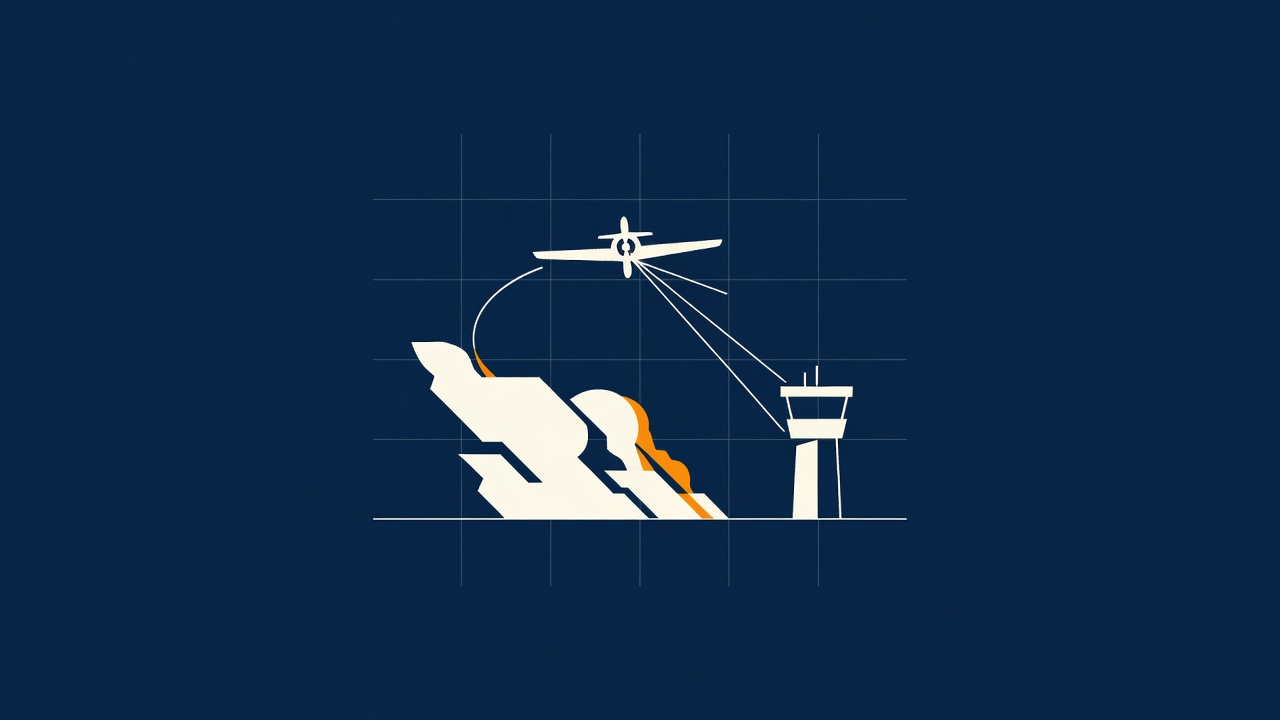
Pilots working with air traffic control sometimes get requests that fall outside the usual routine: report a fire seen from above, look for an oil slick that could mark a crash site, or listen for an emergency locator transmitter signal. A flight instructor writing about the practice says these requests usually mean someone nearby is in the middle of a serious emergency.
The instructor describes a flight near Tacoma Narrows Airport in Washington state. Air traffic control asked a pilot and a student to help search for a possible downed aircraft after getting two unconfirmed reports of an ELT signal. The two flew a search pattern over water, monitoring the emergency frequency 121.5 and watching for fuel sheens or debris. They found no wreckage, and it was never confirmed whether the signal had come from an actual downed aircraft or from an accidental activation.
The instructor also notes that during fire season in western Washington, controllers keep a standing request for pilots to report any fires spotted from the air. Those reports get passed on to local fire authorities.
This kind of informal cooperation between pilots and air traffic control has long provided an extra set of eyes for search and rescue efforts and early fire detection, especially in areas where ground visibility is limited. The piece treats this as a routine, if rarely discussed, part of general aviation flying. It encourages pilots to comply with such requests when they're able to, and it describes basic search techniques used in these situations, including grid patterns.
Sources
- flyingmag.comEyes in the Sky: How Pilots Assist ATC During Fire Season