Investigators fault unclear controller jurisdiction in Schiphol KLM pushback collision
Two KLM Boeing 737-800s struck each other during pushback at Amsterdam Schiphol on 21 February, damaging both aircraft. The Dutch investigation authority links the collision to an unclear division of responsibility between ground controllers.
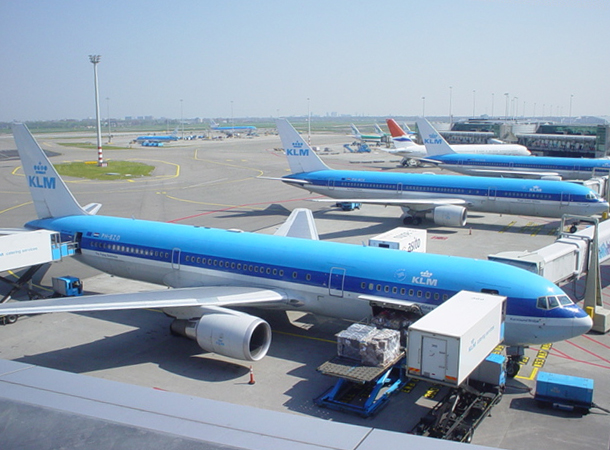
Two KLM Boeing 737-800s collided during pushback at Amsterdam Schiphol on 21 February. One was parked at position D29. The second was pushed back from the opposite stand, D54, and struck it. No one was injured. Both aircraft were damaged.
The Dutch investigation authority, the OVV, attributes the collision partly to an unclear division of responsibility between ground controllers. The first 737 had been brought into the area known as the "Stemvork" by an unusual route. It was already standing there, but it remained on the frequency of the southern ground controller. The northern controller therefore did not know the aircraft had entered his area of responsibility.
When he issued pushback clearance for the second jet, he did not check position D29. The pushback driver also could not see the aircraft standing there, because his own Boeing's fuselage and nose blocked his view. He noticed the danger only during the pushback and braked, but the collision could no longer be avoided.
The first aircraft was damaged on its horizontal stabiliser, stabilator, fuselage and tail. The second on its horizontal stabiliser, stabilator and vertical stabiliser. The investigation notes parallels to two pushback collisions at Schiphol in 2019.
Sources
- aerotelegraph.comWieso zwei Boeing 737 von KLM in Amsterdam mit dem Heck zusammenstießen