Swissair SR111 crash remembered as a turning point for aviation safety
The 1998 crash of Swissair flight SR111 off Halifax killed all 229 people on board and led to new fire-safety rules that remain in force today.
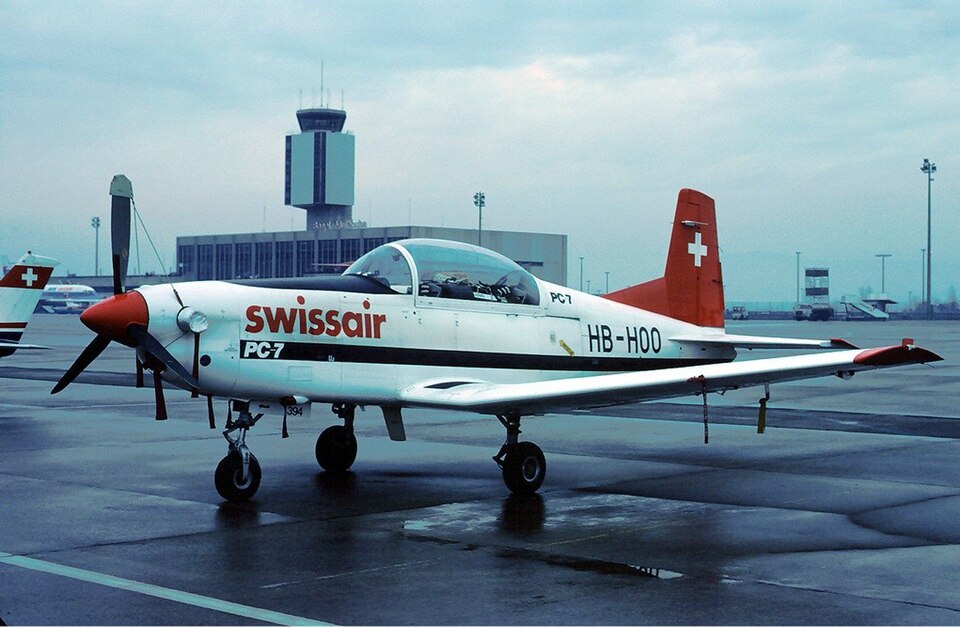
On 2 September 1998, Swissair flight SR111 crashed into the Atlantic off the Canadian coast near Halifax while flying from New York to Geneva. All 229 people on board the McDonnell Douglas MD-11 died.
According to the account, the pilots first noticed an unusual smell, then smoke in the cockpit. They decided to divert to Halifax, but the MD-11 was still too heavy, so the aircraft began dumping fuel first.
Whether an immediate landing could have prevented the disaster is difficult to judge in hindsight, said aeroTELEGRAPH publisher Stefan Eiselin. Such an assessment is easy to make 25 years later, he noted. At the time, the pilots had followed Swissair's procedures as they stood.
Eiselin recalled learning of the crash on a cycling trip in Africa, seeing it on CNN in a bar. At first, he said, he caught only that an aircraft had gone down.
Swissair was regarded as particularly safe at the time and meant far more to many Swiss people than just an airline, he said. The crash also chipped away somewhat at a sense of national identity, he added.
The findings from the catastrophe later led to stricter fire-protection rules and revised checklists, changes that are still having an effect today. The events are also the subject of a new feature film, "111 Echoes from Halifax".
New York → Geneva
Check flights on this routeTurbulence forecast for JFK–GVA →
Sources
- aerotelegraph.com«Da gab es keine Chance mehr»: Wie Swissair-Flug SR111 die Luftfahrt veränderte