US Air Force delays full A-10 Warthog retirement to 2030
The US Air Force plans to keep its remaining A-10 Thunderbolt II attack aircraft flying until 2030, pushing back the type's full withdrawal from service.
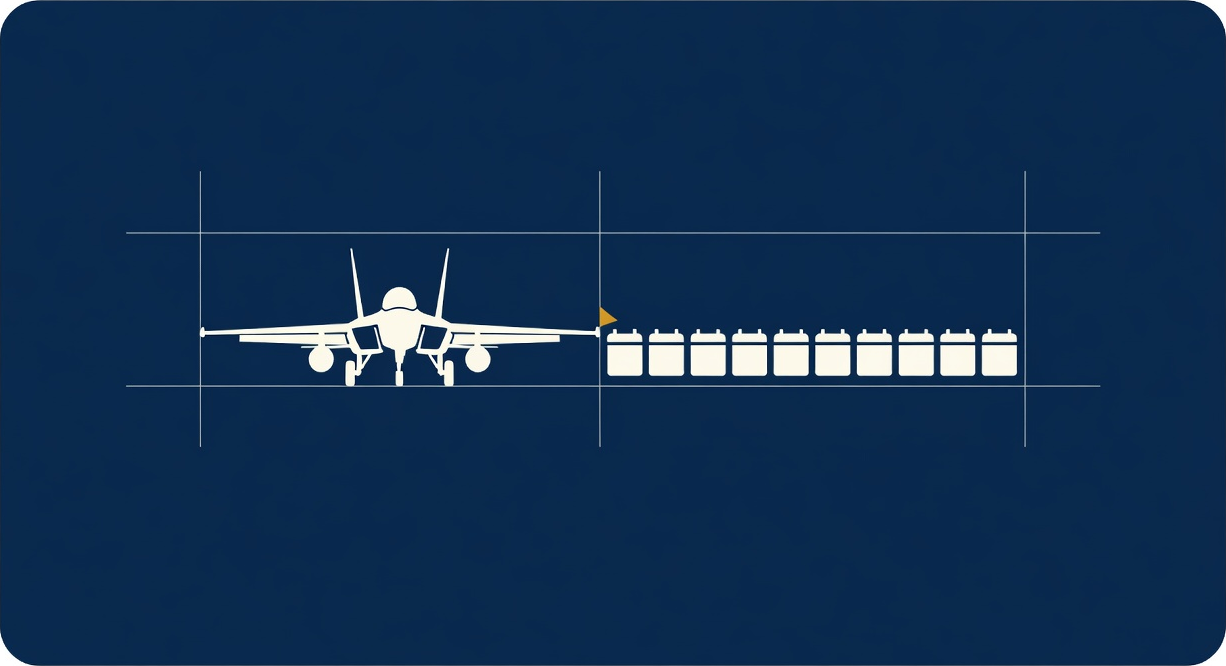
The US Air Force is stretching out the service life of its A-10 Thunderbolt II fleet, known widely as the Warthog. Full retirement is now expected around 2030, later than earlier timelines had suggested.
The aircraft was built to provide close air support and to counter large armored formations, a mission that traces back to Cold War planning against Soviet ground forces. Its heavy armor and cannon armament suited it to sustained attacks on ground targets.
In recent years the Air Force had pushed to retire the A-10 faster. Its argument: the plane cannot survive in contested airspace against modern air defenses, and the money would be better spent on newer platforms. Budget and congressional considerations pushed back against that, though, and the aircraft's continued use in lower-threat environments has slowed the drawdown as well.
According to the reporting, the service is handling the phase-out in stages. Squadrons are being retired gradually, with some units staying operational into the next decade. How fast the rest go depends on future budget decisions and on whether a replacement capability for the close air support mission becomes available.
No specific incidents or safety issues were cited as driving the change in timeline. The extension looks like a matter of planning and funding rather than any technical problem with the aircraft.
The A-10 has been a distinctive part of the US military aircraft inventory for decades. Some ground troops value it for its firepower, even as strategists continue to debate how relevant it will be in future conflicts against advanced enemy air defenses.
Sources
- simpleflying.comHow The US Air Force Is Extending The A-10's Retirement To 2030