Incident Overview
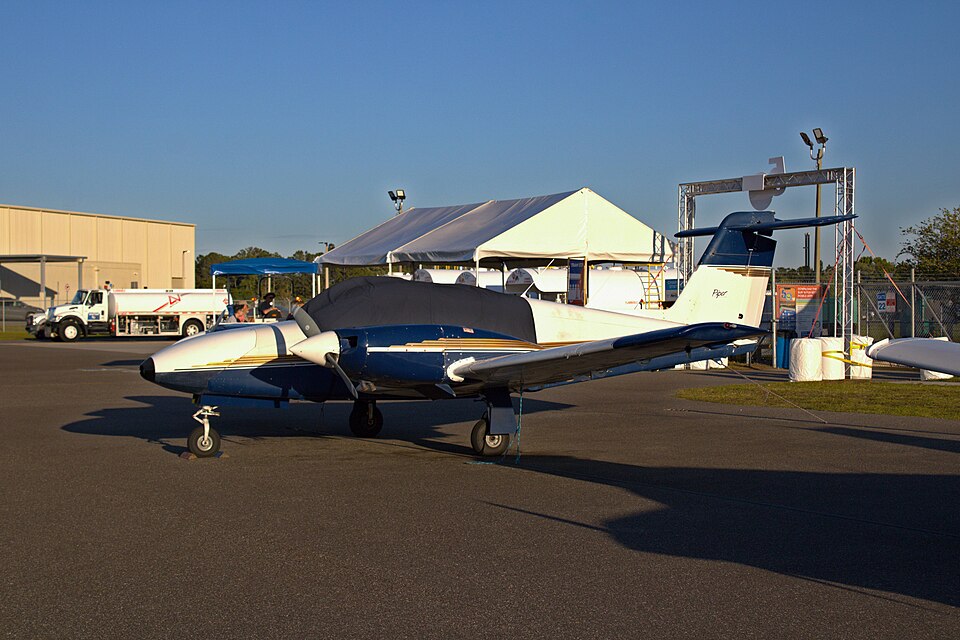
A Piper Seminole aircraft, while on an Instrument Landing System (ILS) approach, was ordered by air traffic control to climb and perform a 360-degree turn due to rising terrain. A McDonnell Douglas DC-9, which was trailing behind at a higher altitude and overtaking the Seminole, was subsequently cleared to descend. These instructions led to a compromise of the required separation between the two aircraft.
Sequence of Events
The Piper Seminole had been vectored to the final approach course and cleared for the ILS approach at an altitude of 3,000 feet above mean sea level (MSL). The DC-9 was in trail at 5,000 feet MSL, overtaking the slower Seminole. The air traffic controller decided to alter the sequence of the two aircraft. To account for rising terrain, the controller cleared the Seminole to climb to 4,000 feet MSL and to execute a right-hand 360 turn. Following this instruction, the controller issued an approach clearance to the DC-9 and authorized a descent from 5,000 feet MSL.
Separation Requirements Compromised
The clearance for the DC-9 to descend while the Seminole was climbing and turning reduced the distance between the two aircraft below the minimum separation standards. This breach of separation requirements occurred as a direct result of the controller's instructions.
Conflict Alert Overlooked
The air traffic control system's conflict alert, which is designed to warn controllers of potential separation losses, was not observed. The controller missed the alert, in part because the conflict alert appeared identical to the terrain proximity alert. The terrain proximity alert sounded frequently, which could have contributed to the conflict alert being overlooked.