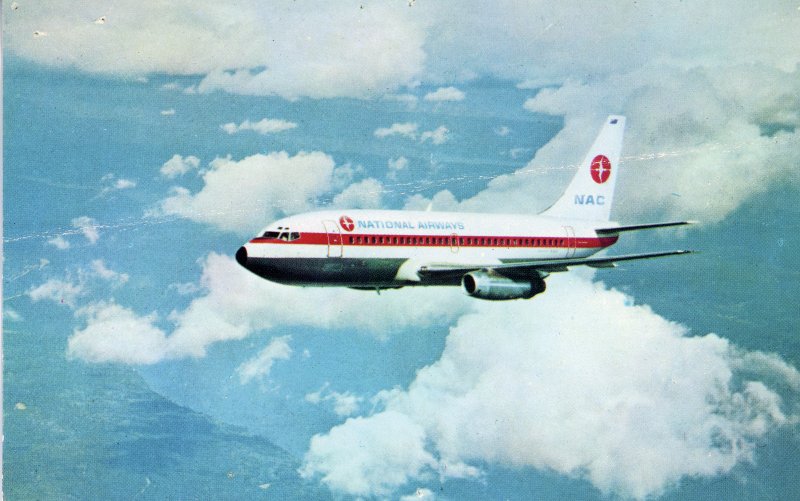
First Officer Incapacitated During Approach Due to Medical Emergency

Casualties unknown • Pittsburgh, PA, US

A first officer experienced a sudden medical episode during the final approach of a commercial flight, prompting the captain to assume control and land safely while medical personnel attended to the crew member on the ground.

What happened

The incident occurred while the aircraft was on short final approach for landing. The first officer was initially flying the aircraft when the captain noticed significant difficulty in maintaining the correct glideslope and airspeeds. Recognizing the deteriorating situation, the first officer ceased controlling the aircraft. The captain took control at an altitude of 50 feet above ground level and completed a safe landing.

Following the touchdown, medical assistance was requested and provided by both cabin crew and gate personnel. The first officer exhibited symptoms including rapid breathing, a weak pulse, cold sweat, and severe trembling. Medics observed the individual for 30 minutes before allowing them to leave. The first officer was subsequently removed from flight status for a medical examination.

The initial diagnosis linked the event to stress, emotion, and fatigue. After returning to flight status with a linecheck captain, the first officer again demonstrated sub-standard performance due to similar symptoms. A further medical exam revealed a heavy use of alcohol, leading to a subsequent diagnosis of an anxiety disorder complicated by alcohol abuse. The FAA revoked the first class medical certificate citing alcoholism. No toxicology tests were conducted at the time of the incident, leaving the specific cause of incapacitation undetermined.

The investigation

The investigation focused on the medical condition of the first officer and the operational response to the emergency. Investigators reviewed the captain's actions in taking control at 50 feet AGL and the subsequent medical evaluations. The lack of immediate toxicology testing was noted as a limitation in determining the precise physiological cause of the incapacitation.

Findings

The primary finding was that the first officer suffered from anxiety disorder complicated by alcohol abuse, which led to temporary incapacitation during a critical phase of flight. The event highlighted the risks associated with undiagnosed medical conditions and substance abuse among flight crew members.

Probable cause

The first officer's incapacitation due to an anxiety disorder complicated by alcohol abuse, which resulted in sub-standard performance and required the captain to take control for a safe landing.

All Boeing 737-800 accidents →

Frequently asked questions

What happened in the 1986-07-07 Boeing 737-200 accident near Pittsburgh, PA?

A first officer experienced a sudden medical episode during the final approach of a commercial flight, prompting the captain to assume control and land safely while medical personnel attended to the crew member on the ground.

What aircraft was involved and where did it happen?

The accident on 1986-07-07 involved a Boeing 737-200, registration N319US, operated by Usair, at Pittsburgh, PA.

What was the probable cause of the accident?

The first officer's incapacitation due to an anxiety disorder complicated by alcohol abuse, which resulted in sub-standard performance and required the captain to take control for a safe landing.

Investigation report by the U.S. National Transportation Safety Board (NTSB) historical archive. Original record: https://carol.ntsb.gov/event/20001213X34297. This page is a structured re-presentation; facts and quotes are in the National Transportation Safety Board (NTSB), United States.

Loading the flight search…