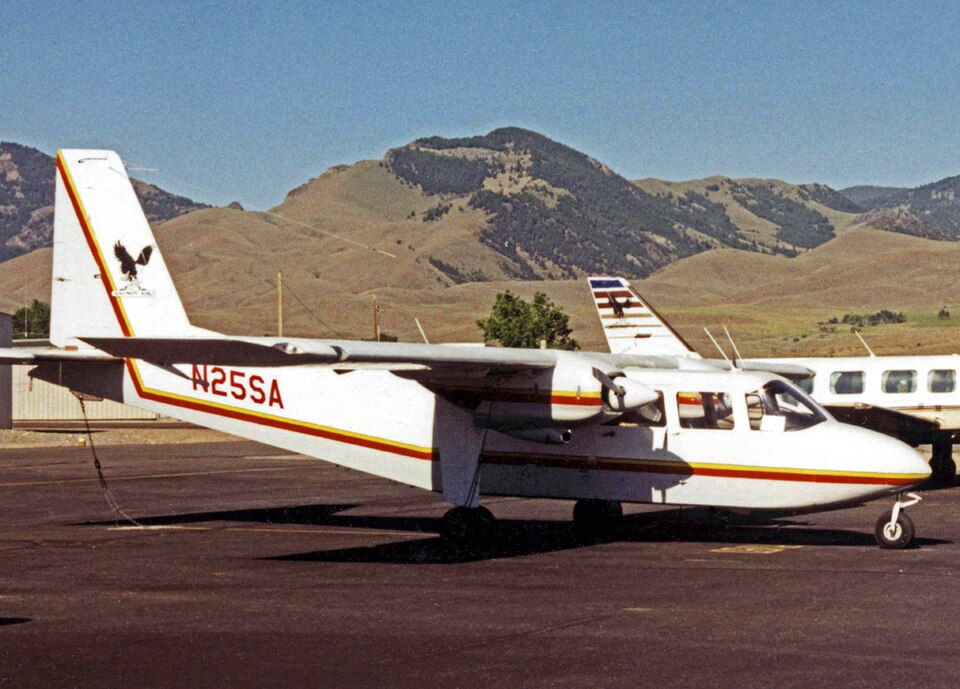
What happened
The pilot had diverted from his original destination because of adverse weather conditions. Upon arriving at the alternate airport, he attempted to land with a 7 knot tailwind. The airstrip was notably short, measuring only 1100 feet in length.
During the landing rollout, the pilot applied heavy braking on the wet sod surface. This action caused the brakes to lock up completely. As a result, the aircraft veered to the right of the centerline. The right main gear left the paved or prepared surface and struck rough terrain. The impact caused the right main gear to collapse. Subsequently, the right wing dragged along the ground.
The investigation
The investigation focused on the mechanics of the landing and the condition of the runway. It was determined that the combination of a tailwind, a short runway, and wet sod conditions contributed to the loss of directional control. The locking of the brakes on the soft surface prevented the pilot from maintaining the centerline.
Findings
Contributing factors included:
- A 7 knot tailwind during landing
- Wet sod runway surface
- Heavy braking causing locked wheels
- Short airstrip length (1100 feet)
- Veering off the right side of the centerline
- Collapse of the right main gear due to rough terrain contact