Casualties unknown

1987-04-11: Hughes 369HS (N8313F) — Berkley Structures, Inc. — Yakima, WA

Yakima, WA, US

On April 11, 1987, a Hughes 369HS (registration N8313F) operated by Berkley Structures, Inc. was involved in an aviation accident near Yakima, WA. Investigators recorded the probable cause as: The pilot's decision to continue flight despite a low fuel warning, which led to fuel exhaustion and an ensuing engine failure. This summary draws on records from the U.S. National Transportation Safety Board (NTSB) historical archive.

Sourcesthe U.S. National Transportation Safety Board (NTSB) historical archivePrimary reportUpdated 1781061362Data APIEditorial standards
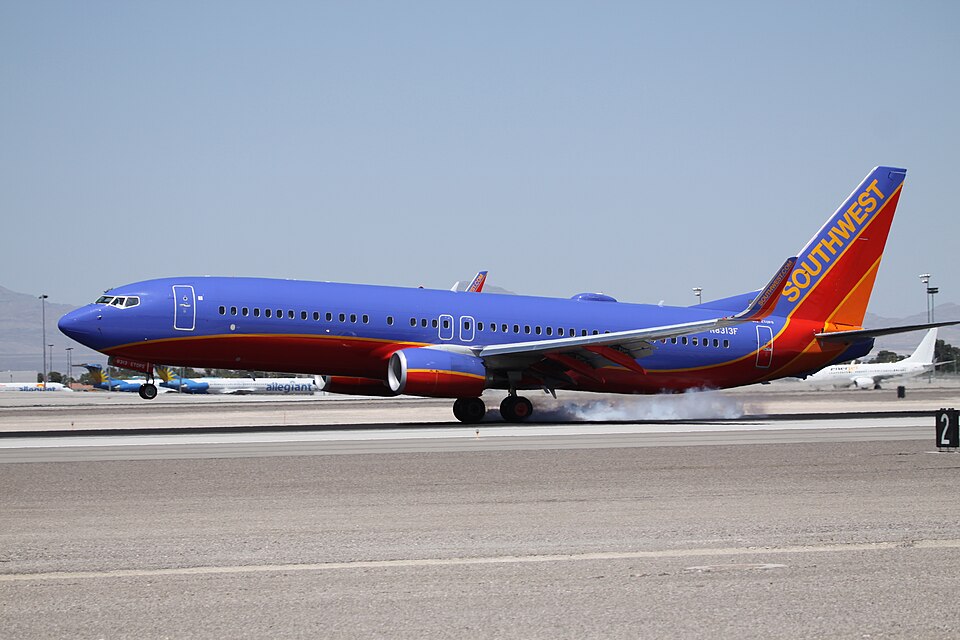
Aircraft registered N8313F
Aircraft registered N8313F. Photo: Aeroprints.com / CC BY-SA 3.0, via Wikimedia Commons

A helicopter experienced an engine failure due to fuel exhaustion while cruising six miles from the airport. The pilot continued flying despite a low fuel warning, leading to a forced landing where the main rotor blades struck and severed the tail boom.

What happened

The accident occurred while the aircraft was in cruise flight, approximately six miles from the airport. During this phase of the flight, the engine ceased operating due to fuel exhaustion. Prior to the failure, the pilot had observed the low fuel warning light illuminate ten minutes before the engine stopped. Despite this indication, the pilot elected to continue the flight rather than divert or land immediately.

Following the loss of power, the pilot initiated an autorotation from an altitude of 1,000 feet above ground level. The aircraft landed safely in terms of maintaining structural integrity of the fuselage during the initial impact; however, upon completion of the ground run, the main rotor blades struck the tail boom. This contact resulted in the severing of the tail boom.

The investigation

The investigation focused on the mechanical state of the aircraft and the sequence of events leading to the accident. Examination confirmed that the engine failure was caused by fuel exhaustion. The pilot's decision to continue flight despite the low fuel warning was a critical factor in the outcome. No other mechanical failures were identified prior to the fuel depletion.

Findings

Contributing factors included the pilot's decision to ignore the low fuel warning light and the subsequent fuel exhaustion. The forced landing resulted in significant damage to the tail section due to rotor blade contact during the ground run.

Probable cause

The pilot's decision to continue flight despite a low fuel warning, which led to fuel exhaustion and an ensuing engine failure.

Investigation report by the U.S. National Transportation Safety Board (NTSB) historical archive. Original record: https://carol.ntsb.gov/event/20001213X30827. This page is a structured re-presentation; facts and quotes are in the National Transportation Safety Board (NTSB), United States.