Casualties unknown

Engine Failure Due to Improperly Installed Fuel Screen (N33284)

Healdsburg, CA, US

On June 29, 1988, a Cessna 206F (registration N33284) operated by Prestin, Donald R. was involved in an aviation accident near Healdsburg, CA. Investigators recorded the probable cause as: The pilot's inability to maintain control following an engine failure caused by a damaged fuel screen that was installed upside down during previous maintenance. This summary draws on records from the U.S. National Transportation Safety Board (NTSB) historical archive.

Sourcesthe U.S. National Transportation Safety Board (NTSB) historical archivePrimary reportUpdated 2026-06-19Data APIEditorial standards
Aircraft registered N33284
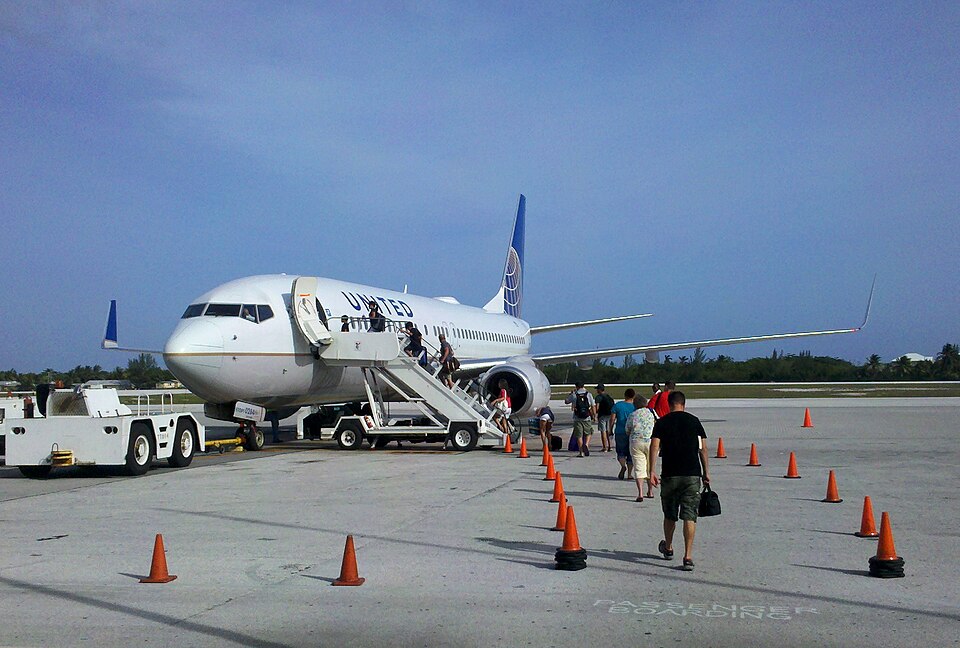
Aircraft registered N33284. Photo: Lhb1239 / CC BY-SA 3.0, via Wikimedia Commons

Aircraft lost power shortly after takeoff, resulting in a forced landing in rough terrain. Investigation revealed a damaged fuel screen installed upside down.

What happened

The aircraft experienced an immediate loss of engine power just after initiating takeoff. Unable to maintain altitude, the pilot executed a forced landing in an adjacent field. During the landing maneuver, the airplane collided with uneven ground and rough terrain, resulting in significant structural damage.

The investigation

A thorough inspection of the aircraft's propulsion system was conducted to determine the root cause of the power loss. Mechanics discovered evidence of corrosion within the main fuel sump bowl and on the fuel injection throttle body fuel screen. Further examination revealed that the main fuel sump bowl screen had been damaged during previous maintenance and was installed upside down, obstructing proper fuel flow.

Findings

The investigation confirmed there were no other mechanical failures or malfunctions present in the aircraft at the time of the accident. The primary factor contributing to the event was the improper installation of a critical fuel system component. This error led to restricted fuel delivery and subsequent engine failure during a critical phase of flight.

Safety message

This incident highlights the importance of strict adherence to maintenance procedures for fuel system components. Proper orientation and condition of fuel screens are vital for ensuring uninterrupted fuel flow and preventing in-flight engine failures.

Probable cause

The pilot's inability to maintain control following an engine failure caused by a damaged fuel screen that was installed upside down during previous maintenance.

Frequently asked questions

What happened in the 29 Jun 1988 Cessna 206F accident near Healdsburg, CA?

Aircraft lost power shortly after takeoff, resulting in a forced landing in rough terrain. Investigation revealed a damaged fuel screen installed upside down.

What aircraft was involved and where did it happen?

The accident on 29 Jun 1988 involved a Cessna 206F, registration N33284, operated by Prestin, Donald R., at Healdsburg, CA.

What was the probable cause of the accident?

The pilot's inability to maintain control following an engine failure caused by a damaged fuel screen that was installed upside down during previous maintenance.

Investigation report by the U.S. National Transportation Safety Board (NTSB) historical archive. Original record: https://carol.ntsb.gov/event/20001213X26009. This page is a structured re-presentation; facts and quotes are in the National Transportation Safety Board (NTSB), United States.