Casualties unknown

1989-02-15: Cessna 340A (N8814K) — Safford, AZ

Safford, AZ, US

On February 15, 1989, a Cessna 340A (registration N8814K) was involved in an aviation accident near Safford, AZ. Investigators recorded the probable cause as: THE PILOT'S POOR JUDGEMENT AND THE RESULTANT HYPOXIA SUSTAINED IN THE UNPRESSURIZED AIRPLANE. FACTORS WERE: THE MALFUNCTIONING PRESSURIZATION SYSTEM AND THE PILOT'S DECISION TO CONTINUE OPERATION WITH THAT KNOWN DISCREPANCY. This summary draws on records from the U.S. National Transportation Safety Board (NTSB) historical archive.

Sourcesthe U.S. National Transportation Safety Board (NTSB) historical archivePrimary reportUpdated 1781061362Data APIEditorial standards
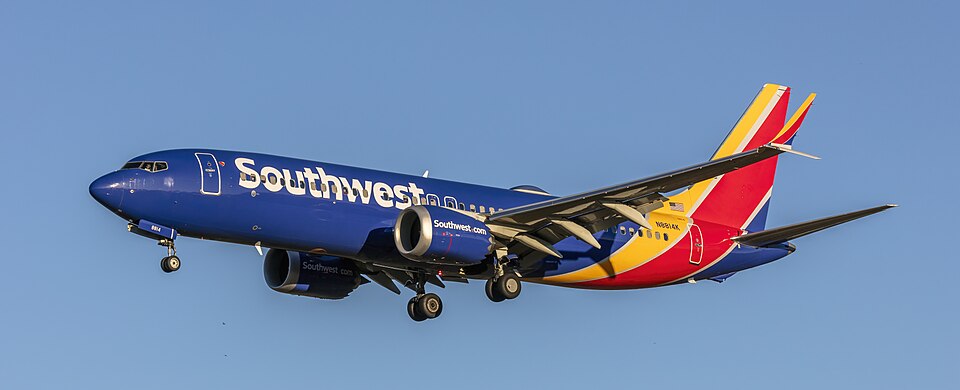
Aircraft registered N8814K
Aircraft registered N8814K. Photo: Acroterion / CC BY-SA 4.0, via Wikimedia Commons

During a night cross-country flight at FL250, the pilot moved to the rear without supplemental oxygen. The aircraft had a known pressurization limitation to 17,000 ft MSL. After losing radio contact, radar plotted a descending left turn to ground impact. Fuel starvation caused left engine power loss.

Flight Details

A night cross-country flight was conducted at flight level 250 (FL250). During the flight, the pilot elected to leave the cockpit area and move to the rear of the aircraft to attend to physiological needs. While supplemental oxygen was available in the cockpit, it was not available in the rear of the aircraft.

Pressurization Deficiency

The aircraft was operated with a known pressurization system deficiency that limited the airplane to flight at 17,000 feet mean sea level (MSL) while maintaining a cabin altitude of 10,000 feet. Despite this limitation, the flight continued at FL250.

Loss of Radio Contact

After 2 hours and 10 minutes, air traffic control (ATC) declared the flight to be 'no radio.' The aircraft continued without communication.

Descent and Impact

At 3 hours and 57 minutes after departure, radar plotted the airplane in a descending left turn, which continued to ground impact. Fuel starvation resulted in power loss to the left engine. Propeller signatures indicated that the right propeller was producing power at the time of impact.

Findings

The pilot's body was found in the aft cabin area against the aft cabin bulkhead. The aircraft had departed with a known pressurization issue that restricted its maximum operational altitude.

Investigation report by the U.S. National Transportation Safety Board (NTSB) historical archive. Original record: https://carol.ntsb.gov/event/20001213X27741. This page is a structured re-presentation; facts and quotes are in the National Transportation Safety Board (NTSB), United States.