Casualties unknown

1991-02-10: Cessna 152 (N49288) — Wisconsin Avaition Activities — Osseo, WI

Osseo, WI, US

On February 10, 1991, a Cessna 152 (registration N49288) operated by Wisconsin Avaition Activities was involved in an aviation accident near Osseo, WI. Investigators recorded the probable cause as: The pilot's failure to ensure adequate fuel supply for the flight, which resulted in fuel exhaustion and an emergency landing. This summary draws on records from the U.S. National Transportation Safety Board (NTSB) historical archive; 8 related events involving the same aircraft type or operator are linked below.

Sourcesthe U.S. National Transportation Safety Board (NTSB) historical archivePrimary reportUpdated 1781061362Data APIEditorial standards
Aircraft registered N49288
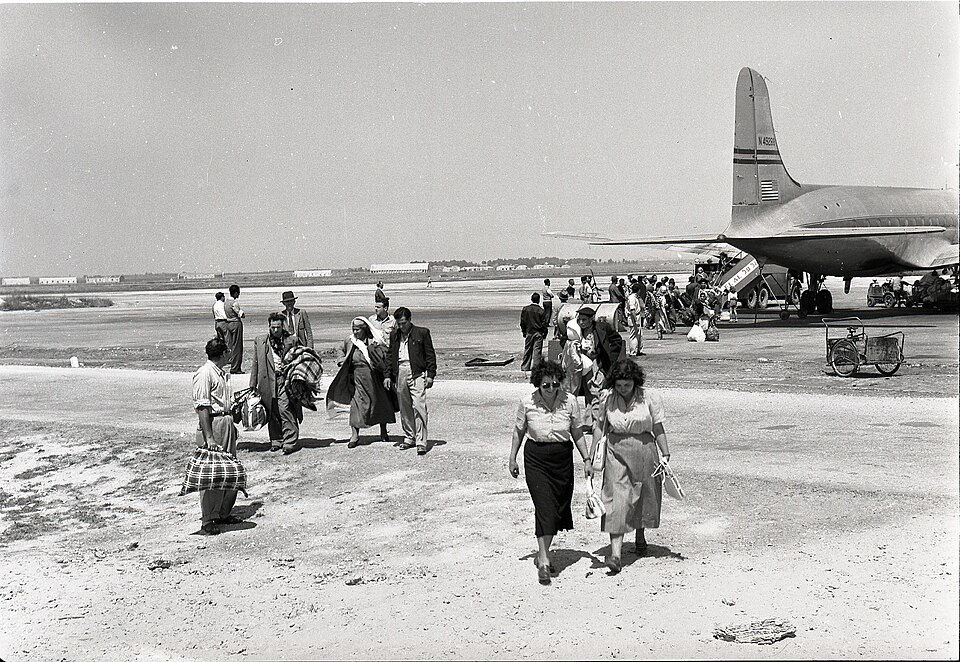
Aircraft registered N49288. Photo: Benno Rothenberg / CC BY 4.0, via Wikimedia Commons

A student pilot became lost and disoriented during a solo cross-country flight, leading to fuel exhaustion and an emergency landing on a snow-covered field.

What happened

The incident occurred during a solo cross-country flight conducted by a student pilot. While navigating the route, the pilot reported becoming lost and disoriented. As the situation progressed, the aircraft engine experienced a loss of power due to fuel exhaustion. The pilot initiated an emergency landing on a snow-covered farm field. During the landing roll, the aircraft collided with a fence before overturning.

The investigation

A post-accident examination of the aircraft revealed that the fuel tanks were completely empty of usable fuel. To determine if the engine failure was mechanical, a run-up test was performed on the ground after the accident. This test was conducted satisfactorily, indicating that the engine itself was functioning correctly prior to the fuel depletion.

Findings

The primary factor in this accident was fuel exhaustion. The pilot's disorientation likely contributed to the failure to monitor fuel levels adequately during the solo flight. The student pilot was the sole occupant of the aircraft. No specific injury counts were provided in the source text, but the nature of the nose-over suggests potential for injury.

Safety message

Pilots conducting cross-country flights must diligently monitor fuel consumption and remain aware of their position relative to planned waypoints and alternate landing sites. Proper pre-flight planning and in-flight navigation are critical to preventing fuel exhaustion.

Probable cause

The pilot's failure to ensure adequate fuel supply for the flight, which resulted in fuel exhaustion and an emergency landing.

Investigation report by the U.S. National Transportation Safety Board (NTSB) historical archive. Original record: https://carol.ntsb.gov/event/20001212X16427. This page is a structured re-presentation; facts and quotes are in the National Transportation Safety Board (NTSB), United States.