Casualties unknown

Piper PA-28 Strikes Socata Tampico Stabilator at Ramp (N150ER)

Vero Beach, FL, US

On April 30, 1991, a Piper PA-28-161 (registration N150ER) operated by Embry-riddle Aeronaut. Univ. was involved in an aviation accident near Vero Beach, FL. Investigators recorded the probable cause as: The pilot's failure to maintain adequate brake pressure while distracted by a notepad, which resulted in the aircraft moving forward and striking another aircraft. This summary draws on records from the U.S. National Transportation Safety Board (NTSB) historical archive; 4 related events involving the same aircraft type or operator are linked below.

Sourcesthe U.S. National Transportation Safety Board (NTSB) historical archivePrimary reportUpdated 2026-06-19Data APIEditorial standards
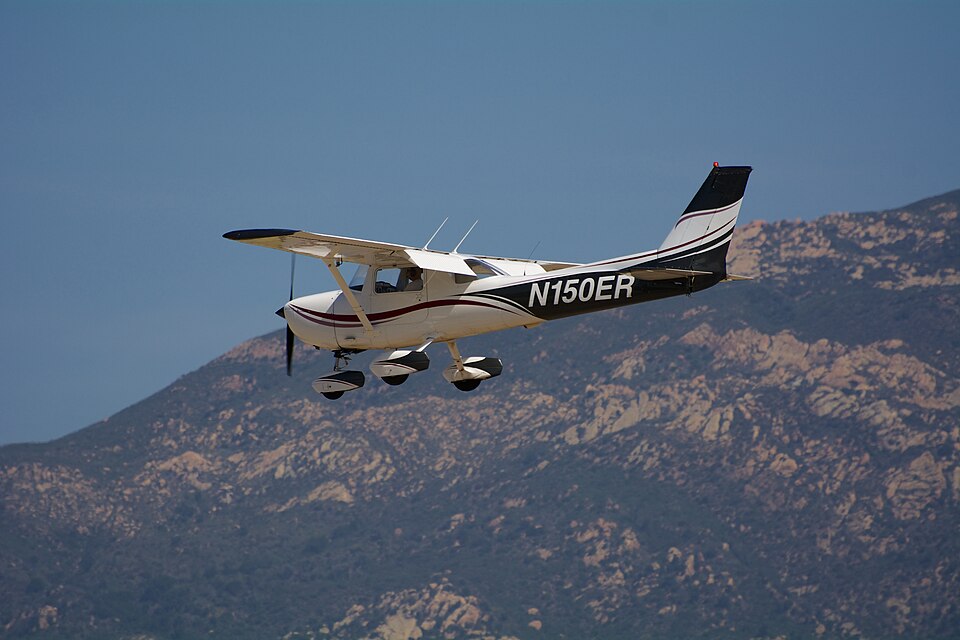
Aircraft registered N150ER
Aircraft registered N150ER. Photo: Glenn Beltz from Goleta, CA, USA / CC BY 2.0, via Wikimedia Commons

A Piper PA-28 pilot inadvertently released brakes while checking notes, causing the aircraft to roll forward and strike the horizontal stabilator of a Socata Tampico ahead.

What happened

The pilot of a Piper PA-28 was positioned on the ramp behind a Socata Tampico TB-9C, identified by registration N2816D. Both aircraft were stationary, waiting for takeoff clearance from air traffic control. The Piper remained stopped directly behind the Socata.

At some point during this wait, the Piper pilot diverted his attention to a notepad held in his lap or hand. During this distraction, he inadvertently released pressure on the brake pedals. Without realizing it, the Piper began to roll forward slowly. The aircraft moved closer to the Socata until its propeller made contact with the left horizontal stabilator of the plane ahead.

The pilot of the Piper later reported that he did not notice the movement of his aircraft until after the impact occurred. He attributed the incident to a lapse in attention while reviewing notes, which led to the unintended release of braking force.

The investigation

Examination of the accident site revealed damage to the left horizontal stabilator of the Socata Tampico TB-9C caused by contact with the propeller of the Piper PA-28. No other structural damage was reported for either aircraft beyond this specific point of impact. The investigation focused on the actions of the pilot and the sequence of events leading to the collision.

Findings

The primary factor in this incident was the pilot's failure to maintain proper brake pressure while distracted. The lack of attention to the aircraft's status allowed it to move uncontrolled. This highlights the importance of situational awareness even when stationary on the ground, particularly in congested ramp areas where other aircraft are nearby.

Safety message

Pilots must maintain constant vigilance over their braking systems, especially during periods of waiting or distraction. Diverting attention from the aircraft's controls can lead to unintended movement and potential collisions with other aircraft.

Probable cause

The pilot's failure to maintain adequate brake pressure while distracted by a notepad, which resulted in the aircraft moving forward and striking another aircraft.

All Piper PA-28 Cherokee accidents →

Frequently asked questions

What happened in the 30 Apr 1991 Piper PA-28-161 accident near Vero Beach, FL?

A Piper PA-28 pilot inadvertently released brakes while checking notes, causing the aircraft to roll forward and strike the horizontal stabilator of a Socata Tampico ahead.

What aircraft was involved and where did it happen?

The accident on 30 Apr 1991 involved a Piper PA-28-161, registration N150ER, operated by Embry-riddle Aeronaut. Univ., at Vero Beach, FL.

What was the probable cause of the accident?

The pilot's failure to maintain adequate brake pressure while distracted by a notepad, which resulted in the aircraft moving forward and striking another aircraft.

Investigation report by the U.S. National Transportation Safety Board (NTSB) historical archive. Original record: https://carol.ntsb.gov/event/20001212X16847. This page is a structured re-presentation; facts and quotes are in the National Transportation Safety Board (NTSB), United States.