Casualties unknown

1991-09-14: Bell 47G2 (N6708D) — Koinoa Aviation — Keaau, HI

Keaau, HI, US

On September 14, 1991, a Bell 47G2 (registration N6708D) operated by Koinoa Aviation was involved in an aviation accident near Keaau, HI. Investigators recorded the probable cause as: The pilot's failure to maintain control during the precautionary landing, which resulted in a hard impact. The cause of the initial vibration could not be determined due to the unauthorized removal of the aircraft and lack of submitted reports. This summary draws on records from the U.S. National Transportation Safety Board (NTSB) historical archive.

Sourcesthe U.S. National Transportation Safety Board (NTSB) historical archivePrimary reportUpdated 1781061362Data APIEditorial standards
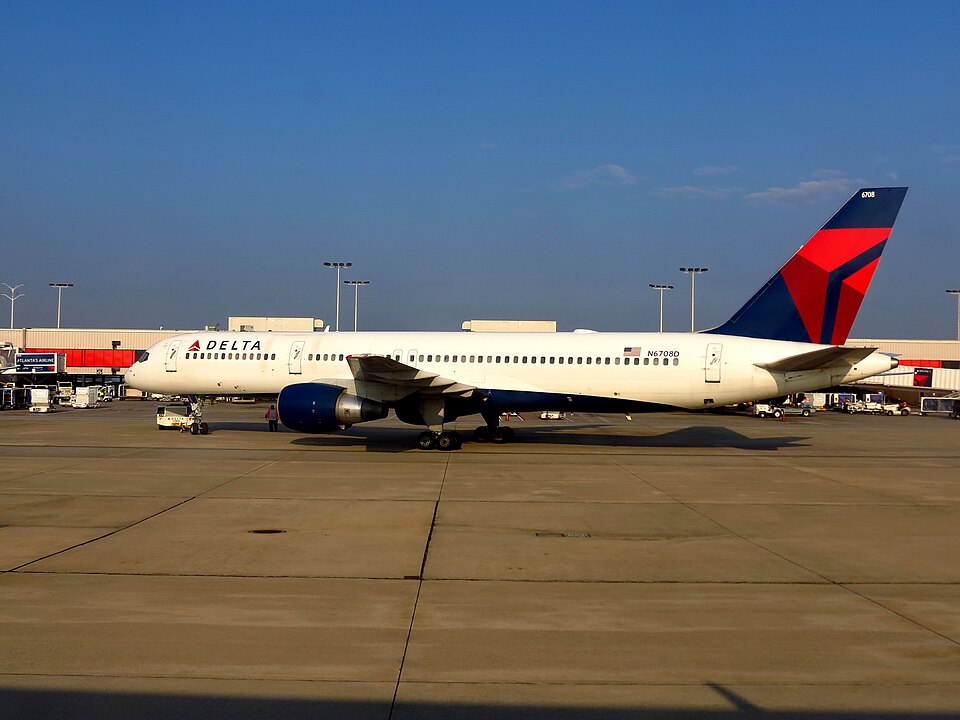
Aircraft registered N6708D
Aircraft registered N6708D. Photo: redlegsfan21 from Vandalia, OH, United States / CC BY-SA 2.0, via Wikimedia Commons

A pilot executed a precautionary landing after experiencing an unexplained vibration in flight. The subsequent hard landing caused significant damage, but the aircraft was removed without NTSB authorization, preventing further mechanical examination.

What happened

During normal flight operations, the pilot experienced an unexpected vibration within the aircraft. In response to this anomaly, the pilot initiated a precautionary landing procedure. The landing itself was executed with excessive force, resulting in a hard impact upon touchdown.

Following the incident, the aircraft was removed from the site without authorization from the National Transportation Safety Board (NTSB). This action prevented investigators from conducting a physical examination of the airframe and systems to determine the extent of the damage or the root cause of the vibration. Additionally, the pilot failed to submit a completed Aircraft Accident Report Form 6120.1 to the NTSB.

The investigation

Due to the unauthorized removal of the aircraft and the lack of submitted documentation, the NTSB was unable to perform a mechanical inspection or verify the condition of the components. Consequently, the origin of the reported vibration could not be determined through physical evidence.

Findings

The primary contributing factors included the unexplained in-flight vibration and the hard landing technique. The inability to examine the aircraft meant that the specific cause of the vibration remained unknown. The removal of the aircraft without authorization hindered the investigative process significantly.

Probable cause

The pilot's failure to maintain control during the precautionary landing, which resulted in a hard impact. The cause of the initial vibration could not be determined due to the unauthorized removal of the aircraft and lack of submitted reports.

Investigation report by the U.S. National Transportation Safety Board (NTSB) historical archive. Original record: https://carol.ntsb.gov/event/20001212X18131. This page is a structured re-presentation; facts and quotes are in the National Transportation Safety Board (NTSB), United States.