What happened
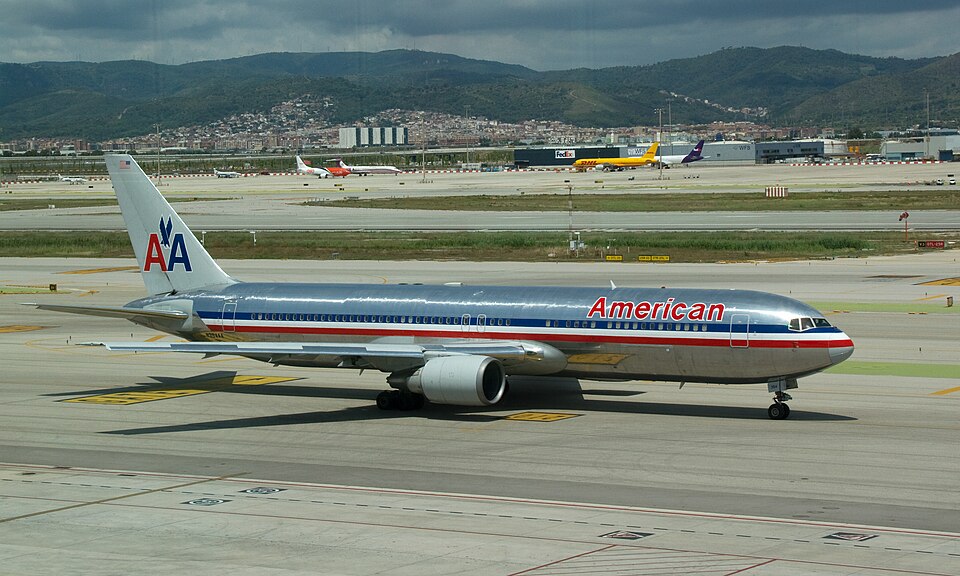
During the takeoff roll of an airliner, the flight crew initiated an evasive maneuver to prevent a collision with the elevator of another aircraft that had not yet cleared the active runway. As the pilot attempted to swerve to avoid contact, the left wing of the departing aircraft struck the right elevator of the stationary or slow-moving plane. The impact resulted in minor damage to both airframes.
The investigation
The Federal Aviation Administration (FAA) local air traffic controller issued the takeoff clearance for the first aircraft before ensuring that adequate separation would be maintained between the two planes. This premature clearance allowed the first airliner to begin its departure while the runway was still occupied by the second aircraft, leading directly to the physical contact.
Findings
The primary factor contributing to the incident was the failure of air traffic control to verify runway occupancy before granting takeoff authority. The crew of the departing aircraft reacted appropriately by attempting to avoid the obstruction, but the narrow margin for error resulted in a collision. No injuries were reported among the passengers or crew on either flight.
Safety message
This incident highlights the critical importance of strict adherence to separation standards by air traffic controllers during high-density runway operations. Controllers must ensure that all aircraft are fully clear of the active runway before issuing takeoff clearance to prevent potential collisions and ensure the safety of all parties involved.