Casualties unknown

Engine Failure During Forced Landing Leads to Post-Impact Fire (N735CA)

Holbrook, NY, US

On June 18, 1993, a Cessna 182Q (registration N735CA) was involved in an aviation accident near Holbrook, NY. Investigators recorded the probable cause as: The engine failure was caused by fatigue of the crankshaft that initiated at multiple sites along the surface of the aft radius of the number 2 main bearing journal. This summary draws on records from the U.S. National Transportation Safety Board (NTSB) historical archive.

Sourcesthe U.S. National Transportation Safety Board (NTSB) historical archivePrimary reportUpdated 2026-07-04Data APIEditorial standards
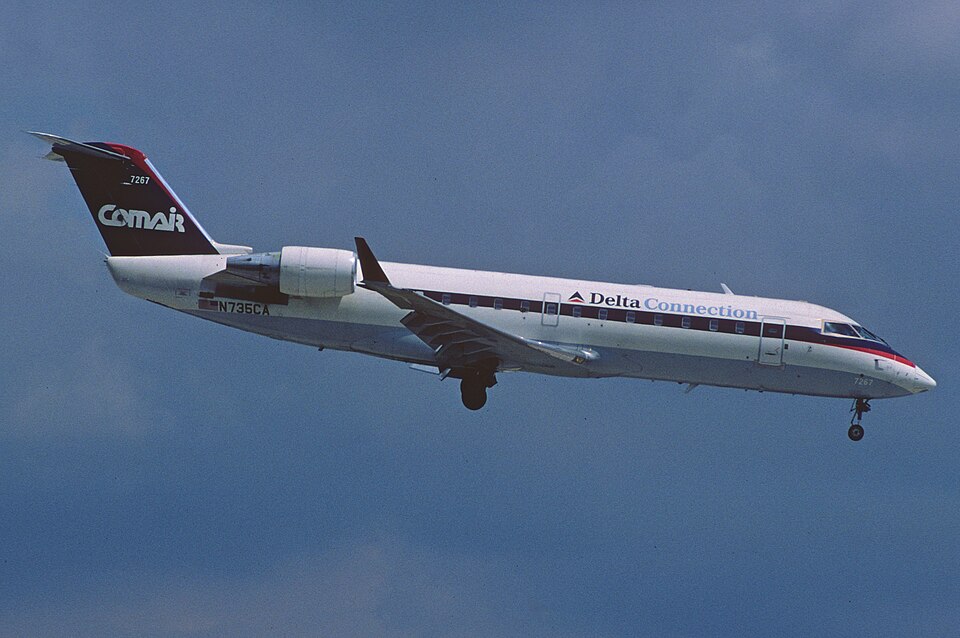
Aircraft registered N735CA
Aircraft registered N735CA. Photo: Aero Icarus from Zürich, Switzerland / CC BY-SA 2.0, via Wikimedia Commons

About 3 minutes after takeoff, the pilot reported loud knocking and power loss. A forced landing was initiated, but the wing struck a pole. Post-impact fire destroyed the airplane; examination revealed a fractured crankshaft due to fatigue.

Event Summary

Approximately three minutes after departure, the pilot reported that the engine began to knock loudly and experienced a loss of power. In response, the pilot initiated a forced landing. During the landing attempt, the airplane's wing struck a pole, and a post-impact fire ensued, destroying the aircraft.

Engine Examination

Following the accident, an examination of the engine was conducted. The inspection revealed a fractured crankshaft. The crankshaft had accumulated about 1,196 hours of operation since a remanufactured unit had been installed.

Metallurgical Analysis

The fractured surfaces were examined by a National Transportation Safety Board metallurgist. The metallurgist determined that the failure was the result of fatigue that initiated at multiple sites along the surface of the aft radius of the number 2 main bearing journal.

Probable cause

The engine failure was caused by fatigue of the crankshaft that initiated at multiple sites along the surface of the aft radius of the number 2 main bearing journal.

Frequently asked questions

What happened in the 18 Jun 1993 Cessna 182Q accident near Holbrook, NY?

About 3 minutes after takeoff, the pilot reported loud knocking and power loss. A forced landing was initiated, but the wing struck a pole. Post-impact fire destroyed the airplane; examination revealed a fractured crankshaft due to fatigue.

What aircraft was involved and where did it happen?

The accident on 18 Jun 1993 involved a Cessna 182Q, registration N735CA, at Holbrook, NY.

What was the probable cause of the accident?

The engine failure was caused by fatigue of the crankshaft that initiated at multiple sites along the surface of the aft radius of the number 2 main bearing journal.

Investigation report by the U.S. National Transportation Safety Board (NTSB) historical archive. Original record: https://carol.ntsb.gov/event/20001211X12700. This page is a structured re-presentation; facts and quotes are in the National Transportation Safety Board (NTSB), United States.