Casualties unknown

Engine Power Loss During Takeoff Leads to Stall and Runway Impact (N88V)

Frisco, NC, US

On September 6, 1993, a Beech 35 (registration N88V) was involved in an aviation accident near Frisco, NC. Investigators recorded the probable cause as: THE PILOT'S FAILURE TO MAINTAIN AIRSPEED (VSO) RESULTING IN A STALL/MUSH. CONTRIBUTING TO THE ACCIDENT WAS THE NEAR TOTAL LOSS OF ENGINE POWER DUE TO SEPARATION OF ONE OF THE TWO COUNTERWEIGHTS FOR UNDETERMINED REASONS. This summary draws on records from the U.S. National Transportation Safety Board (NTSB) historical archive; 8 related events involving the same aircraft type or operator are linked below.

Sourcesthe U.S. National Transportation Safety Board (NTSB) historical archivePrimary reportUpdated 2026-06-10Data APIEditorial standards
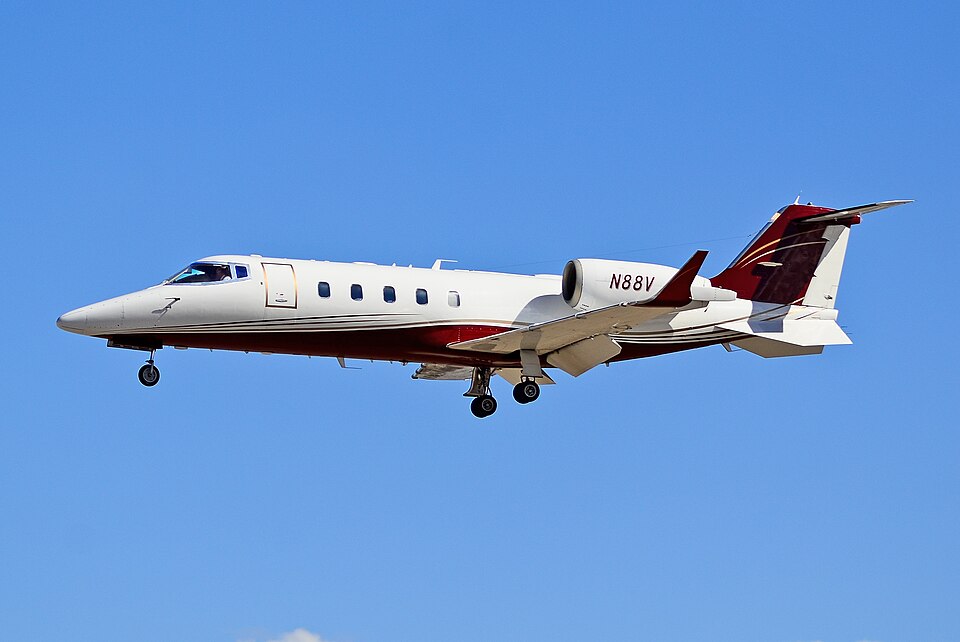
Aircraft registered N88V
Aircraft registered N88V. Photo: Tomás Del Coro from Las Vegas, Nevada, USA / CC BY-SA 2.0, via Wikimedia Commons

After takeoff at 250 ft MSL, the engine lost nearly all power. The pilot attempted beach and downwind landings; the airplane stalled at 100 ft AGL and impacted the runway, collapsing the nose and left main landing gear.

Accident Overview

Shortly after takeoff, while climbing through approximately 250 feet mean sea level, the engine experienced a near total loss of power. The pilot initiated a turn to land on a beach but found it unsuitable. He then initiated another turn to land downwind. When the flight was about 100 feet above ground level, the airplane stalled. The airplane impacted the runway nose and left wing low, collapsing the nose and left main landing gear.

Post-Accident Examination

Examination of the flight controls revealed no evidence of preimpact failure or malfunction. Examination of the engine revealed that one of the two counterweights had separated from the crankshaft for undetermined reasons. The aircraft, engine, and propeller logbooks were not located.

Engine History

The owner stated that the engine was overhauled in January or February 1993 by an airframe and powerplant mechanic with inspection authorization. At the time of the accident, the engine had accumulated about 100 hours since overhaul. Review of paperwork provided by the pilot revealed that counterweight hardware—including two lock rings, four pins, and eight bushings—was ordered and shipped to Precision Engine in Washington, North Carolina, on February 1, 1993.

Investigation report by the U.S. National Transportation Safety Board (NTSB) historical archive. Original record: https://carol.ntsb.gov/event/20001211X13450. This page is a structured re-presentation; facts and quotes are in the National Transportation Safety Board (NTSB), United States.