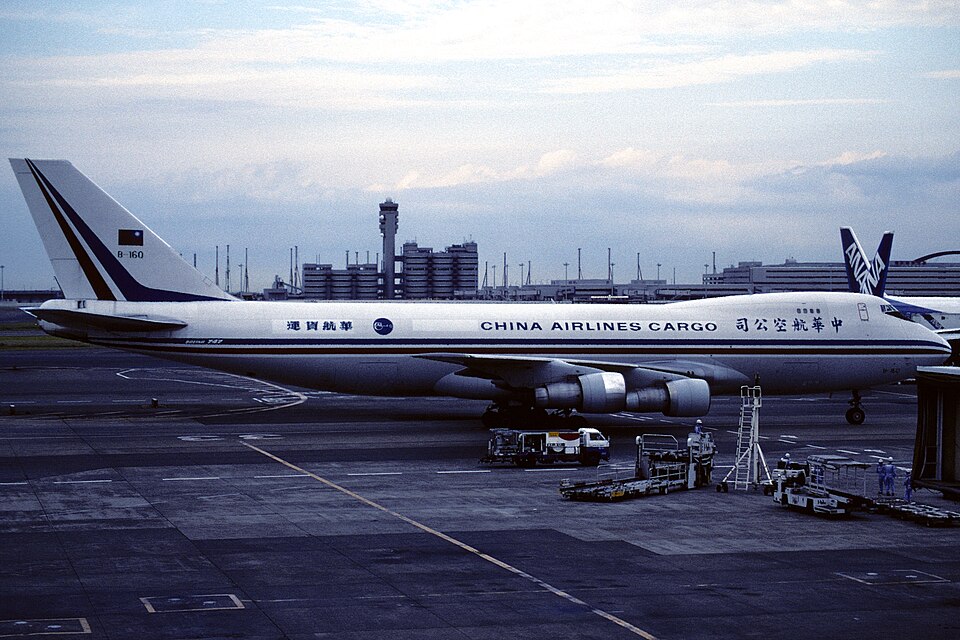
What happened
The aircraft initiated its takeoff roll with the parking brake still engaged. The runway surface was covered with patches of ice at the time of departure. During the acceleration phase while the autotrottle system was active, a caution panel warning light illuminated, indicating that the parking valve had not opened.
Upon seeing this indication, the pilot rejected the takeoff. However, the aircraft continued to accelerate briefly before coming to a stop. The force of the motion caused 16 main tires to blow out. The wheels were ground down to the oleos as they dragged across the dry pavement surface.
The investigation
The investigation focused on the mechanical failure and the subsequent damage to the landing gear assembly. Investigators examined the state of the main landing gear after the incident. They found that all 16 main tires had been destroyed. The wheels were worn down completely, exposing the internal oleo struts due to friction with the ground.
Findings
The primary factor in this event was the parking brake engaged during the initial phase of the takeoff roll. This mechanical oversight led to excessive drag and heat buildup during acceleration. The presence of ice patches on the runway may have contributed to the pilot's delayed recognition of the abnormal situation until the warning light appeared.
The rejection of the takeoff at high speed resulted in catastrophic damage to the landing gear. The 16 main tires were destroyed, and the wheels were ground down to the oleos. This incident highlights the critical importance of verifying brake settings before commencing a high-speed takeoff roll, especially in adverse weather conditions.