Casualties unknown

1994-07-02: Boeing 737-400 (N769AS) — Alaska Airlines, Inc — Juneau, AK

Juneau, AK, US

On July 2, 1994, a Boeing 737-400 (registration N769AS) operated by Alaska Airlines, Inc was involved in an aviation accident near Juneau, AK. Investigators recorded the probable cause as: THE FAILURE OF THE LOCAL CONTROLLER TO EXERCISE HIS RESPONSIBILITY TO HAVE EACH AIRCRAFT ADJUST ITS FLIGHTPATH TO REMAIN CLEAR OF THE OTHER, AND THE FAILURE OF THE THE PILOT OF THE CESSNA 185 TO MAINTAIN ADEQUATE VISUAL SEPARATION FROM THE BOEING 737. This summary draws on records from the U.S. National Transportation Safety Board (NTSB) historical archive; 8 related events involving the same aircraft type or operator are linked below.

Sourcesthe U.S. National Transportation Safety Board (NTSB) historical archivePrimary reportUpdated 1781061362Data APIEditorial standards
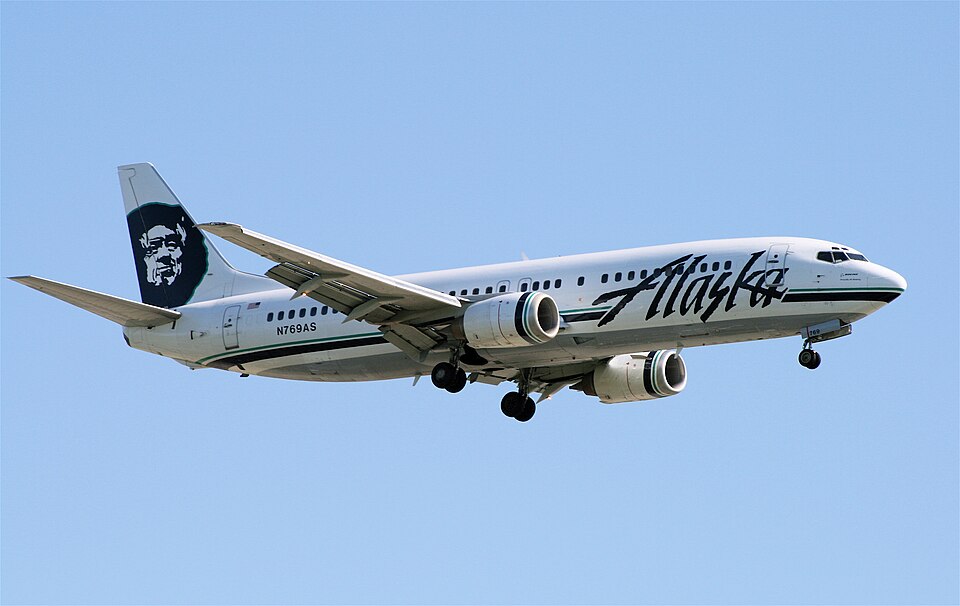
Aircraft registered N769AS
Aircraft registered N769AS. Photo: Makaristos / Public domain, via Wikimedia Commons

A B-737 (N769AS) and a C-185 (N1470Q) experienced a separation of less than 50 feet at about 800 feet AGL after the C-185 pilot acknowledged traffic but was not instructed to adjust flightpath.

Introduction

A near-miss incident occurred between a Boeing 737, registration N769AS, and a Cessna 185, registration N1470Q, while both aircraft were operating in the traffic pattern at an airport. The separation between the aircraft was estimated to be less than 50 feet at an altitude of approximately 800 feet above ground level. The B-737 flightcrew initiated evasive action.

Events

The B-737 flightcrew made initial contact with the local controller while approaching the airport. The controller advised the flightcrew of a left downwind for runway 26. About 5 miles southwest of the airport, the flightcrew was informed of pattern traffic that included the departing C-185, which was starting a left downwind. The pilot of the C-185 was also advised of the B-737 entering the downwind. The C-185 pilot responded, "roger have traffic in sight will stay low." No instruction was given to the C-185 pilot to adjust his flightpath to remain clear of the B-737.

Observations

The B-737 flightcrew subsequently reported a "near miss" to the tower. The B-737 flightcrew and the C-185 pilot estimated their separation as less than 50 feet at approximately 800 feet AGL. The pilot of the B-737 took "max nose up" as evasive action. The incident involved only these two aircraft; no other aircraft were mentioned in the report.

Investigation report by the U.S. National Transportation Safety Board (NTSB) historical archive. Original record: https://carol.ntsb.gov/event/20001206X01636. This page is a structured re-presentation; facts and quotes are in the National Transportation Safety Board (NTSB), United States.