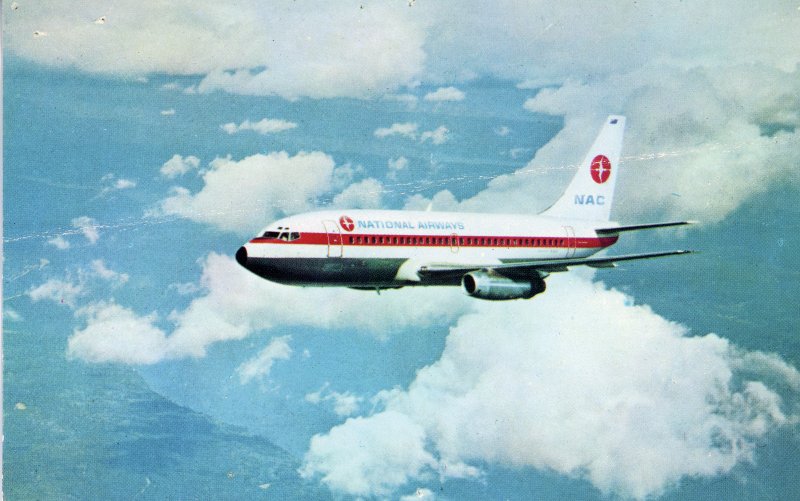
What happened
The aircraft was operating during a descent phase when it encountered significant turbulence while flying within cloud cover. At the time of the incident, the crew did not observe any radar returns on the airborne weather avoidance system, which typically indicates clear skies or non-precipitating weather. Despite the lack of visual indicators on the radar display, the aircraft moved into an area of developing convective cells that were not detectable by the onboard equipment.
The investigation
Post-accident analysis of meteorological data revealed that the airplane was operating in a region where convective activity was actively developing. These specific cellular formations had not yet produced sufficient precipitation or density to trigger echoes on the aircraft's weather radar. This discrepancy between the radar display and the actual atmospheric conditions highlights the limitations of airborne detection systems when dealing with early-stage convection.
Findings
The primary factor contributing to the incident was the inability of the weather avoidance radar to detect developing convective cells before the aircraft entered them. The turbulence encountered was severe enough to cause physical harm to occupants not secured in their seats. The absence of radar echoes provided a false sense of security regarding the weather conditions ahead.
Safety message
This event underscores the limitation of relying solely on airborne weather radar for turbulence avoidance, particularly during descent through cloud layers where convective cells may be developing but not yet producing detectable precipitation.