Casualties unknown

1995-01-04: Beech 65-90 (N101GA) — Royal, AR

Royal, AR, US

On January 4, 1995, a Beech 65-90 (registration N101GA) was involved in an aviation accident near Royal, AR. Investigators recorded the probable cause as: THE PILOT INADVERTENTLY ALLOWED THE AIRPLANE TO DESCEND AND COLLIDE WITH TREES, AFTER HE BECAME DIVERTED BY AN INOPERATIVE CABIN HEATER. DARKNESS WAS A RELATED FACTOR. This summary draws on records from the U.S. National Transportation Safety Board (NTSB) historical archive.

Sourcesthe U.S. National Transportation Safety Board (NTSB) historical archivePrimary reportUpdated 1781061362Data APIEditorial standards
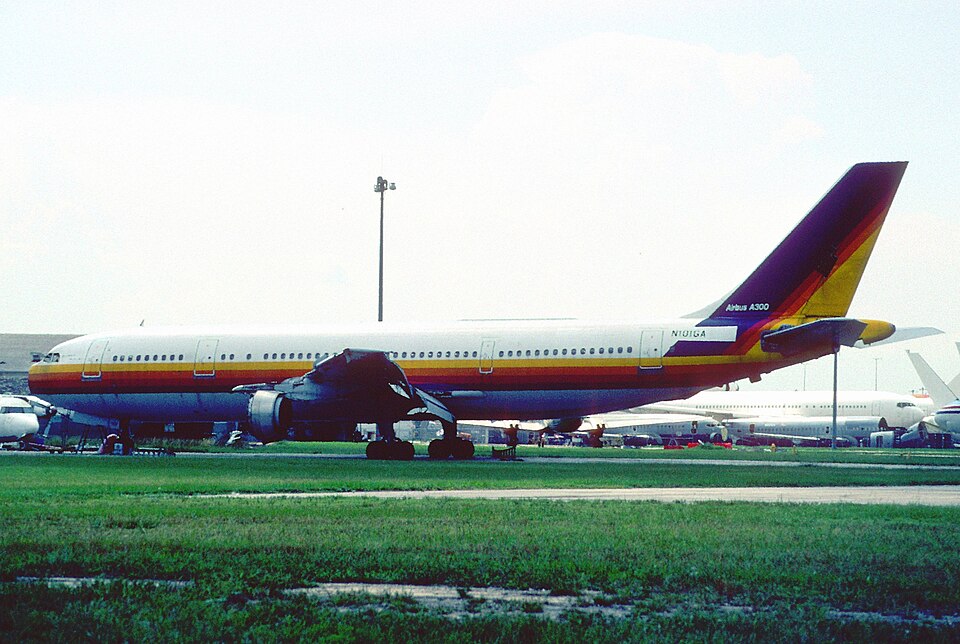
Aircraft registered N101GA
Aircraft registered N101GA. Photo: Aero Icarus from Zürich, Switzerland / CC BY-SA 2.0, via Wikimedia Commons

On a night IFR departure from Hot Springs, AR, the pilot reported a heater problem. After contacting the operator, the pilot said "Oh, shoot!" and ceased communication. The aircraft struck trees, cutting a 400-ft swath with a 940-ft wreckage path. No preimpact mechanical failure found except the heater.

Flight Details

The pilot obtained a weather briefing and filed an IFR flight plan for a night flight from Hot Springs, Arkansas, to Pueblo, Colorado. Shortly after takeoff, about one minute into the flight, the pilot informed air traffic control that he needed to return to Hot Springs. He then contacted the operator and reported that the cabin heater was not functioning. The operator advised returning for repairs. The pilot was then heard to say "Oh, shoot!" No further radio communications were received.

Wreckage Examination

The aircraft struck trees, creating a 400-foot swath. The wreckage path extended 940 feet. Investigators examined the wreckage and found no preimpact mechanical failures, except for the previously mentioned heater issue.

Investigation report by the U.S. National Transportation Safety Board (NTSB) historical archive. Original record: https://carol.ntsb.gov/event/20001207X02847. This page is a structured re-presentation; facts and quotes are in the National Transportation Safety Board (NTSB), United States.