Casualties unknown

Engine Power Loss During Final Approach Leads to Forced Landing (N2645U)

Homer, LA, US

On March 4, 1999, a Cessna 172D (registration N2645U) was involved in an aviation accident near Homer, LA. Investigators recorded the probable cause as: The loss of engine power due to fuel starvation, as a result of fuel moving away from the fuel supply outlets. Factors were the low fuel level and the turbulence. This summary draws on records from the U.S. National Transportation Safety Board (NTSB) historical archive.

Sourcesthe U.S. National Transportation Safety Board (NTSB) historical archivePrimary reportUpdated 2026-07-04Data APIEditorial standards
Aircraft registered N2645U
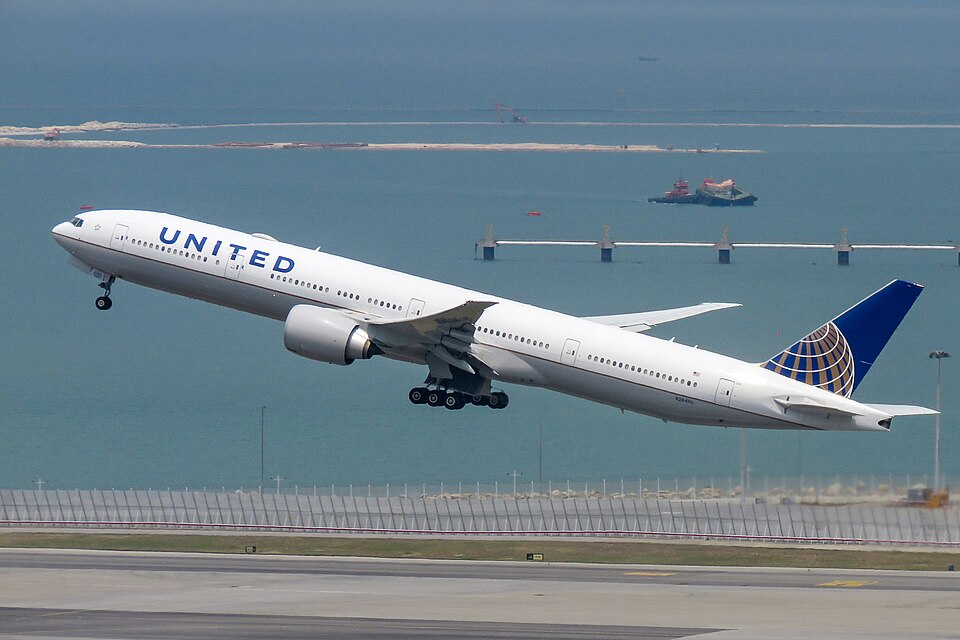
Aircraft registered N2645U. Photo: N509FZ / CC BY-SA 4.0, via Wikimedia Commons

A single-engine airplane experienced a total loss of engine power during final approach, resulting in a forced landing short of the runway. The pilot attributed the incident to fuel unporting.

Incident Overview

During the final approach to landing, the airplane suffered a total loss of engine power, forcing a landing that ended short of the runway. The pilot reported encountering light turbulence moments before the power loss. The aircraft was approximately 1,000 feet from the runway threshold and 500 feet above ground level when the pilot advanced the throttle, at which point the engine ceased to operate.

Sequence of Events

The airplane descended and struck pine trees before impacting the ground. It came to rest upright, stopping 32 feet short of the approach end of the runway. Subsequent inspection revealed that between 4 and 6 gallons of fuel were drained from each of the two wing fuel tanks.

Post-Accident Findings

A test run of the engine while installed in the airframe showed that it operated within normal parameters at all power settings, indicating no mechanical malfunction. The pilot stated that he believed the loss of engine power was caused by "unporting of fuel on final approach." According to the airframe manufacturer, in certain flight maneuvers, fuel may move away from the fuel tank outlets, potentially leading to a loss of engine power.

Frequently asked questions

What happened in the 4 Mar 1999 Cessna 172D accident near Homer, LA?

A single-engine airplane experienced a total loss of engine power during final approach, resulting in a forced landing short of the runway. The pilot attributed the incident to fuel unporting.

What aircraft was involved and where did it happen?

The accident on 4 Mar 1999 involved a Cessna 172D, registration N2645U, at Homer, LA.

What was the probable cause of the accident?

The loss of engine power due to fuel starvation, as a result of fuel moving away from the fuel supply outlets. Factors were the low fuel level and the turbulence.

Investigation report by the U.S. National Transportation Safety Board (NTSB) historical archive. Original record: https://carol.ntsb.gov/event/20001205X00322. This page is a structured re-presentation; facts and quotes are in the National Transportation Safety Board (NTSB), United States.