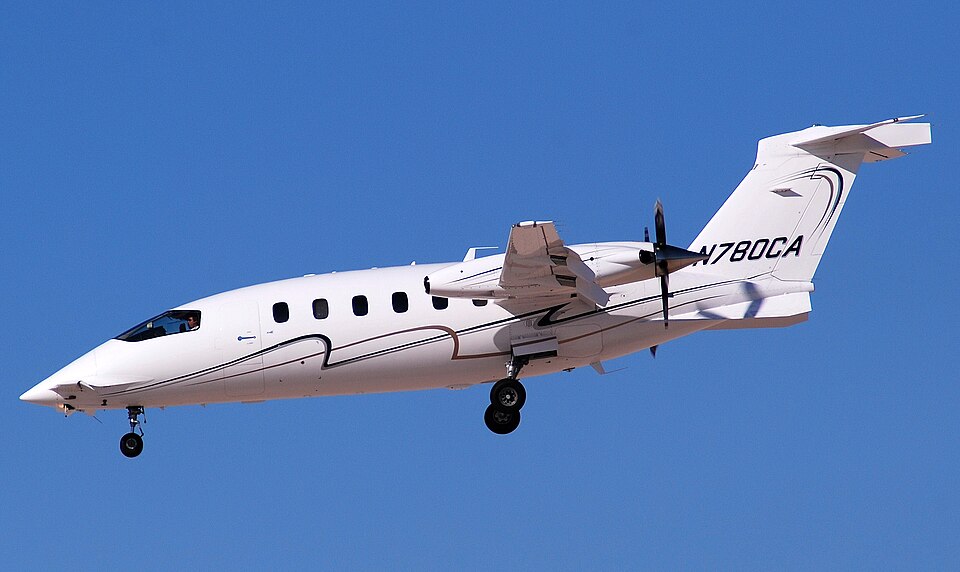
Background
The night before the accident flight, the pilot requested that the aircraft's main fuel tanks be filled. The aircraft was not fueled. The following morning, the pilot checked the fuel quantity gauges and noted that they were reading lower than expected. The pilot indicated that there had been a history of inaccurate readings on the fuel gauges.
Flight and Engine Failures
The flight departed for a 45-minute trip to another airport to pick up passengers. The aircraft then departed for Romeoville, Illinois. While descending for landing, the pilot felt a surge from the right engine, which subsequently stopped producing power. After completing the checklists, the pilot feathered and secured the engine. Continuing the descent, the left engine also stopped producing power.
Forced Landing and Aftermath
During the forced landing, the pilot was unable to stop the aircraft on the runway. The aircraft overran the end of the runway and went into a ravine, causing substantial damage to the nose and right engine. Approximately 5 gallons of fuel was drained from the aircraft.
Fuel Gauge Testing
The manufacturer tested the fuel quantity gauges. The report showed that the gauges were operating correctly for displaying indication for the main fuel tanks, but not for fuel quantity for the auxiliary tanks. Once re-calibrated, the gauges operated within tolerances for all fuel tanks.