Casualties unknown

Engine Power Loss Due to Valve Fouling from Unknown Source (N24KA)

Brookville, PA, US

On November 21, 2001, a Cessna 182 (registration N24KA) operated by Long Point Flying Ltd was involved in an aviation accident near Brookville, PA. Investigators recorded the probable cause as: Fouling of the engine intake and exhaust valves with bromine and lead deposits. This summary draws on records from the U.S. National Transportation Safety Board (NTSB) historical archive; 8 related events involving the same aircraft type or operator are linked below.

Sourcesthe U.S. National Transportation Safety Board (NTSB) historical archivePrimary reportUpdated 2026-07-04Data APIEditorial standards
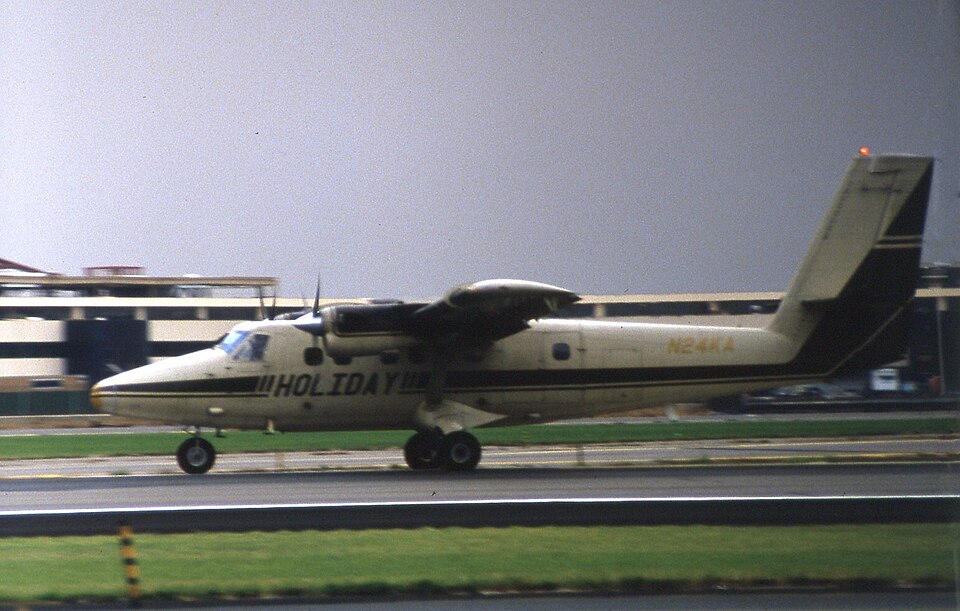
Aircraft registered N24KA
Aircraft registered N24KA. Photo: Pete Macklin / CC BY 2.0, via Wikimedia Commons

An aircraft experienced engine roughness and power loss during cruise. Despite troubleshooting, power decreased, leading to a forced landing. Examination revealed glass-like deposits on valves, but source could not be determined.

Incident Summary

Approximately two hours and fifteen minutes into the flight, the engine began to run rough and lose power. Initially, engine RPM dropped by about 75 RPM. As power continued to decrease, the pilot performed several troubleshooting steps. The pilot checked both magnetos, turned the carburetor heat ON, and verified the fuel selector was in the Both position. The primer was ensured to be in, and the mixture was set to full rich, throttle to full open, and boost pump to ON.

Descent and Impact

Once engine power had decayed to approximately 1,900 RPM, the pilot initiated a descent to maintain airspeed. About 1,500 feet above ground level, the engine completely lost power. The airplane subsequently impacted a tree and came to a stop.

Engine Examination

Examination of the engine revealed that all valves were fouled with a glass-like material. The material was composed mostly of bromine and lead. The source of this material could not be determined.

All Cessna 182 accidents →

Frequently asked questions

What happened in the 21 Nov 2001 Cessna 182 accident near Brookville, PA?

An aircraft experienced engine roughness and power loss during cruise. Despite troubleshooting, power decreased, leading to a forced landing. Examination revealed glass-like deposits on valves, but source could not be determined.

What aircraft was involved and where did it happen?

The accident on 21 Nov 2001 involved a Cessna 182, registration N24KA, operated by Long Point Flying Ltd, at Brookville, PA.

What was the probable cause of the accident?

Fouling of the engine intake and exhaust valves with bromine and lead deposits.

Investigation report by the U.S. National Transportation Safety Board (NTSB) historical archive. Original record: https://carol.ntsb.gov/event/20011217X02404. This page is a structured re-presentation; facts and quotes are in the National Transportation Safety Board (NTSB), United States.