Incident Overview
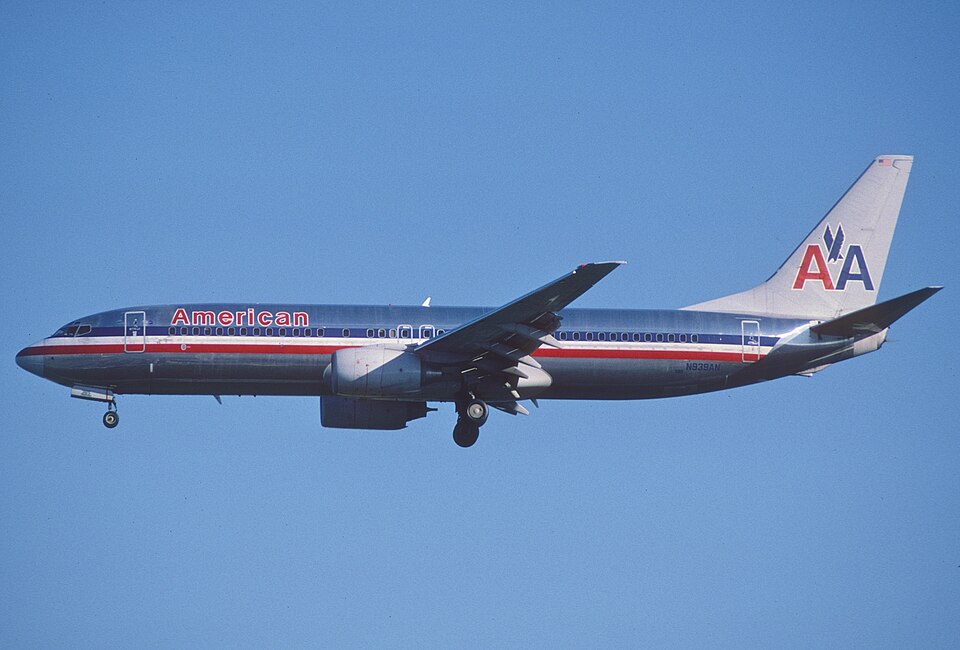
A Boeing 777 being repositioned from a gate to a maintenance hangar collided with a parked Boeing 737 at gate E34 during a tow operation. The tow was conducted by a tug driver who had not towed an airplane in the previous six years and had not received recurrent tow training during that period. On the day of the incident, the driver had already completed four tows before the incident tow. Additionally, the driver had never received training on, nor had he previously towed, the specific model of the Boeing 777 involved.
Operational Factors
American Airlines' procedures at the time did not require specific tow training for a Boeing 777 if the tow was for maintenance and the driver had wide-body tow training. However, a dedicated tow training curriculum for the Boeing 777 was not yet in place. The driver also reported being unfamiliar with ramp markings designating that wide-body aircraft were required to use spot 6C rather than 6S or 6N, a requirement that had been covered by a NOTAM issued in August 2001.
Sequence of Events
Before the tow began, the American Airlines Tower Coordinator informed the brake rider that the aircraft was cleared to push out via 6 Center. The brake rider relayed this to the tow tug driver, but the driver later stated he was not advised of the specific route to follow. The tow commenced with wing walkers present, but they left as forward motion started. The aircraft proceeded along line 6S instead of the intended 6C. Communication ensued between the Tower Coordinator and brake rider, with the Tower Coordinator noting the deviation. The brake rider acknowledged awareness and stated he had tried to communicate with the tow tug driver and had flashed the aircraft's landing and taxi lights multiple times to attract attention.
The tow continued on line 6S. The driver decided to stop short of spot 6 because he had not heard from the brake rider. Upon exiting the tug, he observed the headset cord lying on the ground with the male end still connected to the aircraft. He was then informed of damage to the towed Boeing 777 and to the rudder of a Boeing 737 parked at gate E34 with passengers on board, awaiting pushback.
Damage and Passenger Deplaning
The captain of the Boeing 737 reported that he and the first officer were going through the checklist with the parking brake engaged when they felt a movement. He had the jet bridge repositioned, exited to inspect, and noted damage to the rudder. He also observed the Boeing 777 approximately 150 feet west of his aircraft on the "south tow line." Subsequently, passengers were deplaned from the Boeing 737.