Casualties unknown

2002-10-17: Cessna 172 (N903WA) — Opa Locka, FL

Opa Locka, FL, US

On October 17, 2002, a Cessna 172 (registration N903WA) was involved in an aviation accident near Opa Locka, FL. Investigators recorded the probable cause as: The pilot' inadequate evaluation of weather information, and the selection of the wrong runway that resulted in an attempted takeoff with a tailwind and the subsequent loss of control during takeoff. This summary draws on records from the U.S. National Transportation Safety Board (NTSB) historical archive; 8 related events involving the same aircraft type or operator are linked below.

Sourcesthe U.S. National Transportation Safety Board (NTSB) historical archivePrimary reportUpdated 1781061362Data APIEditorial standards
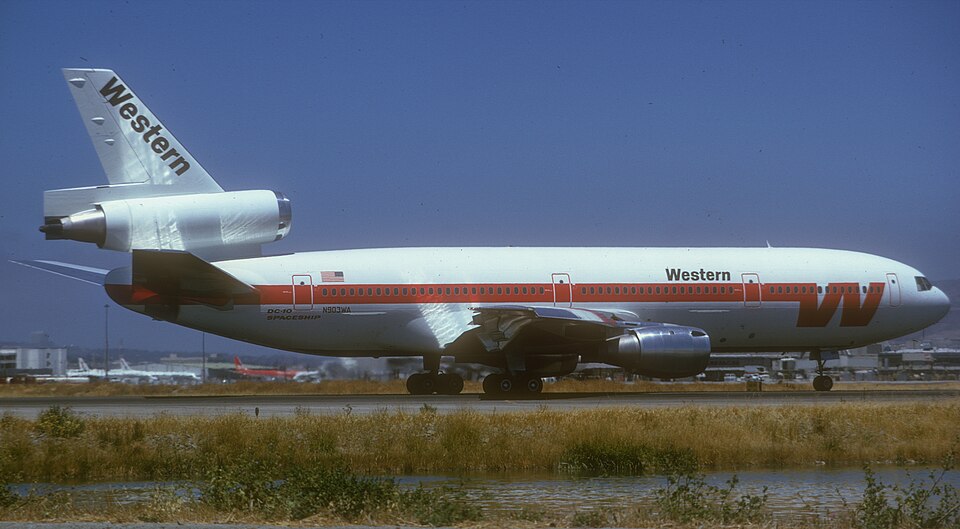
Aircraft registered N903WA
Aircraft registered N903WA. Photo: Aero Icarus / CC BY-SA 2.0, via Wikimedia Commons

A CFI and student pilot conducting touch-and-go landings on runway 27 experienced an updraft during the fourth takeoff. The airplane ballooned, landed hard, struck a runway light, and damaged the right wing tip. No mechanical issue was reported. Winds were from 050 at 14 knots as reported by Fort Lauderdale weather.

Event Overview

A certified flight instructor (CFI) and a student pilot were performing touch-and-go landings on runway 27. After completing three such procedures, they initiated a fourth takeoff. During the takeoff, an updraft lifted the airplane off the runway, according to the student pilot's report. The airplane then ballooned into the air and descended "hard" onto the runway. The impact caused the aircraft to collide with a runway light, resulting in damage to the right wing tip.

Pilot Actions and Weather Information

The CFI did not report any mechanical issues with the airplane. The nearest weather reporting facility, located in Fort Lauderdale, Florida, recorded prevailing winds from 050 degrees at 14 knots at the time of the accident. The CFI had obtained weather information from the Opa Locka Automatic Terminal Information System (ATIS) prior to the flight.

Damage and Circumstances

The sole damage noted was to the right wing tip from the collision with the runway light. No further details about the aircraft or occupants were provided in the source. The student pilot's account describes the airplane rising abruptly due to the updraft and then coming down forcefully, leading to the runway light strike.

Investigation report by the U.S. National Transportation Safety Board (NTSB) historical archive. Original record: https://carol.ntsb.gov/event/20021022X05365. This page is a structured re-presentation; facts and quotes are in the National Transportation Safety Board (NTSB), United States.