Introduction
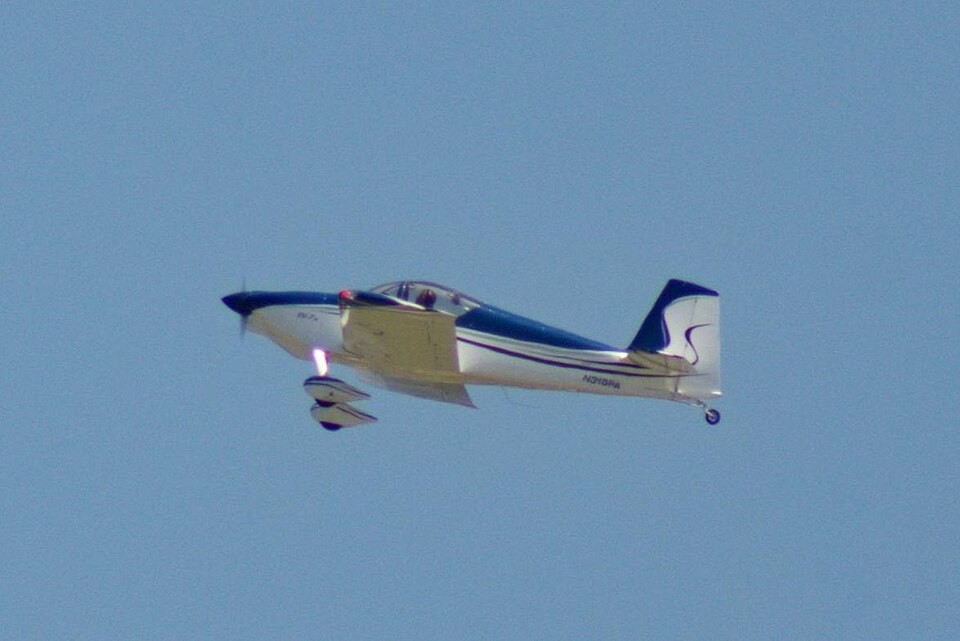
A student pilot was authorized by his certified flight instructor (CFI) to perform his first solo landing. The landing was proceeding normally until the nose wheel made contact with the runway surface, at which point the airplane unexpectedly swerved to the left.
Sequence of Events
Attempting to correct the deviation, the student pilot applied right rudder input, but the control input proved ineffective. He then retracted the flaps in an effort to transfer weight onto the wheels and regain directional stability. However, the airplane continued its leftward path, departing the left side of the runway onto adjacent grass. Shortly thereafter, the airplane struck a fence.
Post-Accident Examination
The CFI did not witness the landing but subsequently examined the markings left on the runway and grass. Based on the marks, the CFI determined that the student pilot had touched down within the first 600 to 700 feet of the runway. The runway markings were consistent with a scenario where the left main wheel was off the ground while the right main wheel and the nose wheel remained on the ground and tracked toward the left. The impressions in the grass suggested that the left wing contacted the fence first, causing the airplane to veer further left, after which the nose and right wing also struck the fence.
Pilot Input
When asked by his CFI whether he had applied the brakes during the event, the student pilot replied that he had not. No mechanical failures or malfunctions of the airplane or its systems were reported by the student pilot prior to the accident.