Casualties unknown

Oil Spill Patrol Aircraft Crashes During Low-Altitude Maneuvering (N8314L)

Midland, TX, US

On April 28, 2005, a Cessna 172 (registration N8314L) was involved in an aviation accident near Midland, TX. Investigators recorded the probable cause as: The pilot's failure to maintain airspeed which resulted in an inadvertent stall. A contributing factor was the low altitude. This summary draws on records from the U.S. National Transportation Safety Board (NTSB) historical archive; 1 related events involving the same aircraft type or operator are linked below.

Sourcesthe U.S. National Transportation Safety Board (NTSB) historical archivePrimary reportUpdated 2026-07-04Data APIEditorial standards
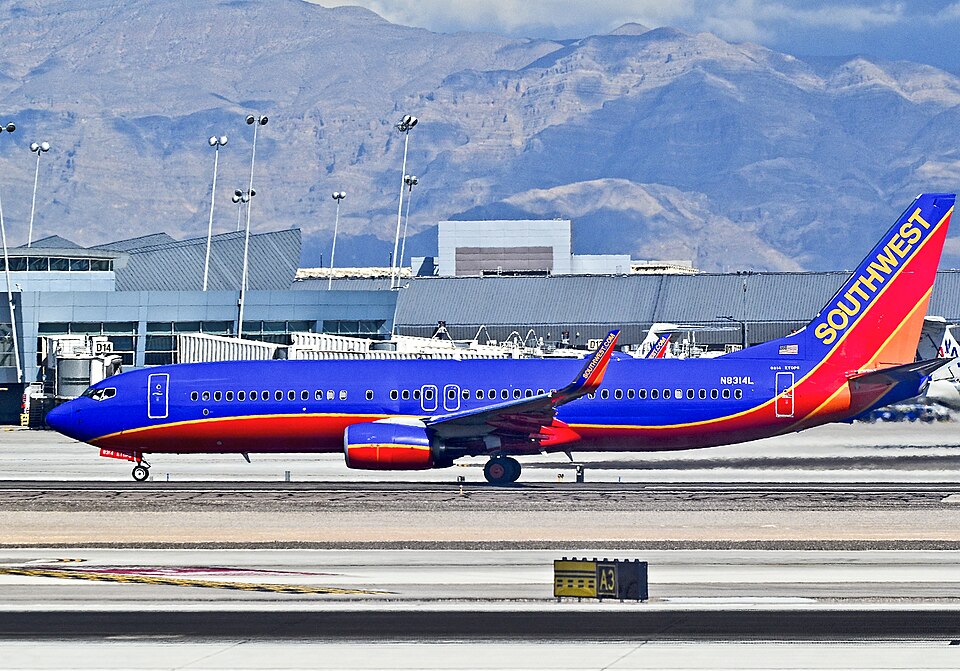
Aircraft registered N8314L
Aircraft registered N8314L. Photo: Tomás Del Coro from Las Vegas, Nevada, USA / CC BY-SA 2.0, via Wikimedia Commons

A pilot conducting oil spill patrol training crashed while maneuvering below 500 feet. The wreckage showed a left-wing-low attitude with flaps at 10 degrees and elevator trim tab-up. Engine examination found no pre-impact mechanical failure.

Flight Purpose

A 10,000-hour Airline Transport Pilot (ATP) departed at approximately 0715 to train a new company pilot in locating and reporting oil spills or leaks in oil fields. Company procedure required flights below 500 feet AGL, and upon detecting a leak, the aircraft was to orbit the site with 10 degrees of flaps while making a report.

Accident Sequence

At 1307, another pilot performing pipeline patrol spotted the wreckage and reported its location. Radar data from Approach Control showed the accident airplane maneuvering "tracking back-n-forth" below 500 feet AGL in the general area of the accident. The last radar hit, at 0843, placed the airplane approximately two miles west of the accident site at an altitude of about 300 feet AGL.

Wreckage Examination

All components of the airplane were accounted for at the accident site. The initial impact mark was a ground scar with fragments of red navigational lens, consistent with the left wingtip, located approximately eight feet south of the left wing. The main wreckage, with the engine still attached to the fuselage, lay over a small crater. Impact marks were consistent with a left-wing-low and nose-down attitude. The elevator trim tab was found 15 degrees tab-up, and the wing flaps were extended to the 10-degree setting.

Flight Control and Fuel Systems

Control continuity to all flight controls up to the rescue cuts was established. Both wing tanks and/or fuel lines had been breached by impact. The right wing fuel tank contained approximately 3.5 inches of fuel, and the left wing tank approximately 2 inches. The main fuel tank selector valve was in the both position.

Engine Examination

A borescope inspection of the engine revealed no mechanical deformation on the valves, cylinder walls, or internal cylinder head. The left magneto produced spark at all posts at the magneto cap; the right magneto was destroyed by impact.

All Cessna 172 accidents →

Frequently asked questions

What happened in the 28 Apr 2005 Cessna 172 accident near Midland, TX?

A pilot conducting oil spill patrol training crashed while maneuvering below 500 feet. The wreckage showed a left-wing-low attitude with flaps at 10 degrees and elevator trim tab-up. Engine examination found no pre-impact mechanical failure.

What aircraft was involved and where did it happen?

The accident on 28 Apr 2005 involved a Cessna 172, registration N8314L, at Midland, TX.

What was the probable cause of the accident?

The pilot's failure to maintain airspeed which resulted in an inadvertent stall. A contributing factor was the low altitude.

Investigation report by the U.S. National Transportation Safety Board (NTSB) historical archive. Original record: https://carol.ntsb.gov/event/20050502X00535. This page is a structured re-presentation; facts and quotes are in the National Transportation Safety Board (NTSB), United States.