Background
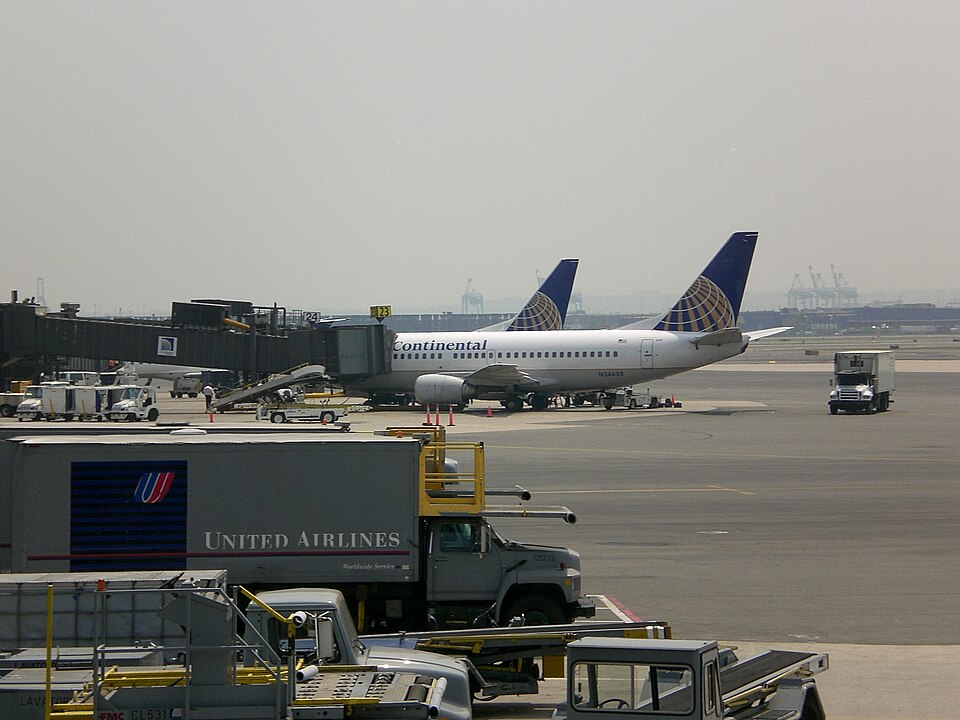
The jetway at the gate had previously been positioned for an MD-80 aircraft, which requires a lower entry level than a Boeing 737. The incident occurred when a Boeing 737 arrived at the gate.
Incident Sequence
The captain of the 737 stated that he did not use landing or taxi lights as he approached the gate. The airplane stopped, and he thought the brake may have grabbed for some reason. He then applied a "little power for a moment." When the plane did not move, he shut down the engines. Post-incident inspection revealed that the left engine inlet had contacted the jetway, resulting in a 3-inch scratch at the 12 o'clock position.
The left wing walker, who took responsibility for the incident, said he did not feel the jet bridge posed a threat to the airplane because "they are supposed to taxi up to the jet bridge...I did not notice the plane would hit the bridge until it was too late." He had been on the job for 6 days. The right wing walker was unaware of the incident.
The operations supervisor said she thought the jet bridge was a little close to the J-line but when the plane turned in, she thought there would be enough clearance. When the airplane was about 8 feet from the final stop bar, it lurched as if the brakes had been applied rapidly. She said she had received no signals from the wing walkers.
The gate agent, who also operated the jetway, had been dealing with a customer issue and did not go out onto the jetway until the airplane was approaching the J-line. Realizing a collision was imminent, he attempted to contact the ramp via radio but was too late.
Aftermath
The incident resulted in a scratch on the left engine inlet. No other damage or injuries were reported.