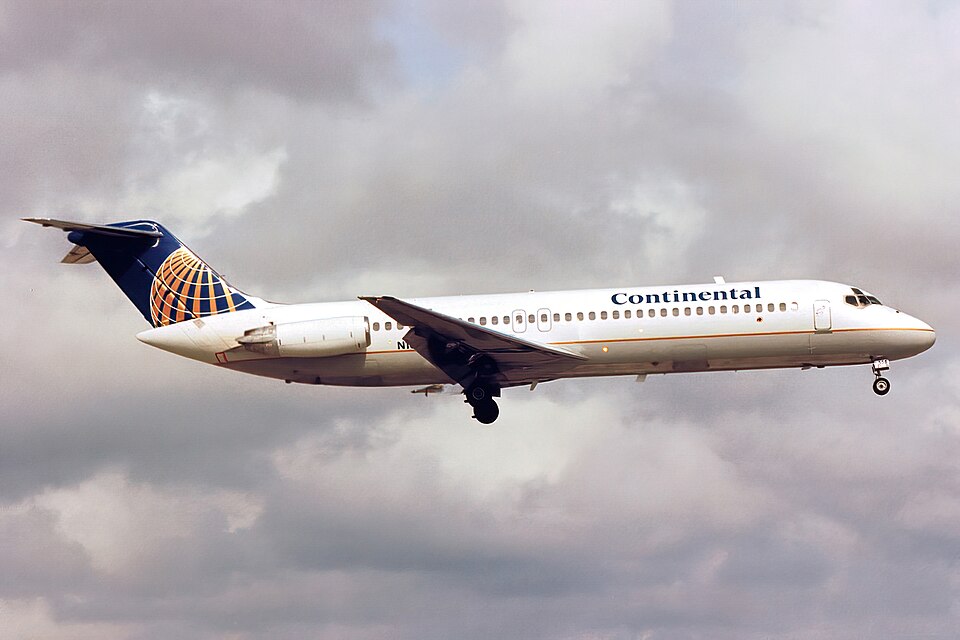
Accident Overview
The airplane landed with its landing gear retracted, sliding for 6,850 feet before coming to rest in grass approximately 140 feet left of the runway centerline. After the aircraft stopped, the cabin began to fill with smoke, and occupants evacuated.
Investigation Findings
Investigators determined that the captain had omitted the 'Hydraulics' item from the in-range checklist, and the first officer failed to detect this omission. Consequently, hydraulic pressure was unavailable to lower the landing gear or deploy the flaps. Both pilots noticed that the flaps had not extended after selecting 15°. However, they did not perform the landing checklist and missed multiple cues that would have alerted them to the landing gear status. Their attention was focused on addressing the flap problem, and workload was high due to the rapid sequence of events in the final minute of flight. The first officer attempted to communicate concerns about excessive approach speed to the captain.
Oversight Deficiencies
The investigation identified deficiencies in Continental Airlines' oversight of its pilots and in the principal operations inspector's oversight of the airline. Continental Airlines was aware of inconsistencies in flightcrew adherence to standard operating procedures (SOPs) but had not resolved the issue with the corrective actions taken before the accident.
Probable Cause
The official probable cause was the captain's decision to continue the approach contrary to Continental Airlines standard operating procedures, which mandate a go-around when an approach is unstabilized below 500 feet or a ground proximity warning system alert continues below 200 feet above field elevation. Contributing factors included: the flightcrew's failure to properly complete the in-range checklist, resulting in a lack of hydraulic pressure; the flightcrew's failure to perform the landing checklist and confirm landing gear extension; inadequate remedial actions by Continental Airlines to ensure adherence to SOPs; and the Federal Aviation Administration's inadequate oversight of Continental Airlines.