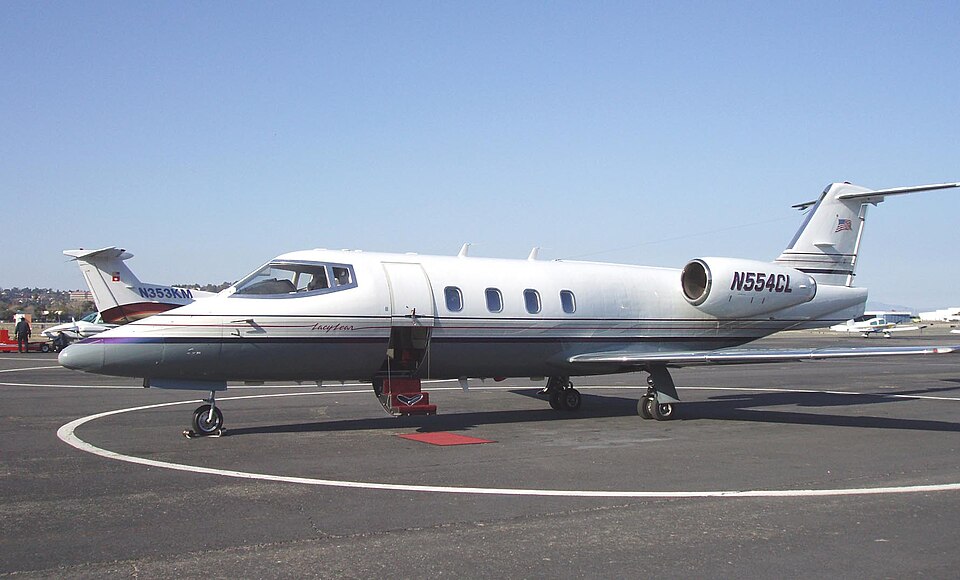
Event Summary
The airplane was on approach to landing at about 500-600 feet above ground level when the emergency pressurization and right bleed air annunciator lights illuminated simultaneously. The crew noted no change in cabin pressurization and decided to continue the landing. At approximately 100-200 feet agl, the left bleed air light illuminated, and the cabin pressure went to emergency. The crew then switched the cabin air off.
Crew Actions
After switching off the cabin air, the crew landed and taxied quickly to their parking area. Prior to engine shutdown, they turned the left and right bleed air switches off.
Post-Landing Observations
After the aircraft stopped, the flight line crew notified the flight crew that smoke was coming out of the ram air vent in the dorsal fin area. The pilot reported that no smoke or unusual smells entered the cabin or cockpit. The air conditioner was blowing hot air and its operation appeared intermittent; passengers had complained about the high temperature in the cabin.
Examination Findings
External visual examination revealed heat discoloration and wavy skin on the aft fuselage skin starting at station 512.39, frame 39, extending aft to station 544.39, frame 41. Internal examination of the empennage via the tail cone access door showed that frames 39, 39a, and 41 were scorched and sooty. In the aft electronics and equipment compartment in the tail cone, investigators observed fire damage to the windshield heat shutoff valve, left and right mixing valve control boxes and associated wiring, the landing light/taxi light/auxiliary hydraulic pump relay box, the upper side of the flow control valve, and the windshield heat shutoff valve and its wiring.
Fire Origin Determination
There was evidence of leakage and blow-by on the outflow flange of the windshield heat modulating valve; however, the observed damage was not as severe as would be expected if bleed air were the initiator of the fire. The evidence was inclusive for an electrical origin for the fire.