What happened
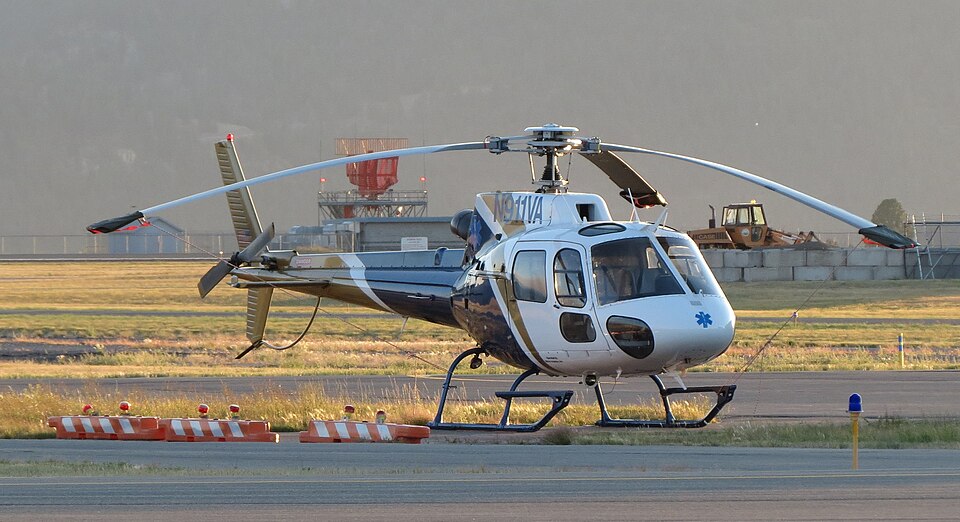
On February 5, 2008, an Eurocopter France AS350B2 helicopter, registration N911VA, crashed into the Laguna Madre near South Padre Island, Texas. The aircraft, operated by Metro Aviation, Inc., was performing an emergency medical services (EMS) flight to pick up a patient at a landing zone in the South Padre Island Convention Center parking lot.
The flight departed the Valley Baptist Medical Center Heliport at 2/040 CST. While the pilot initially reported having the landing zone in sight at 1,000 feet, radar data showed the helicopter made a left turn back toward the west, followed by a tight right turn. During the flight, the flight nurse transmitted several messages over the MedCom radio, including a statement that the crew was "in the clouds again" and intended to abort the flight and transport the patient by ground. Witnesses near the landing zone observed the helicopter's lights descend almost straight down, followed by the sound of impact. The wreckage was located approximately 2.4 miles west of the intended destination.
All three crew members—the pilot, flight nurse, and flight paramedic—sustained 3 fatal injuries.
The investigation
Investigators examined the wreckage, which was recovered from three to five feet of salt water. The investigation found the aircraft cabin was compromised, with the canopy, instrument panel, and port side doors destroyed. The main rotor system, engine, and flight controls showed damage consistent with a high-speed, inverted impact with water, but no evidence of pre-impact mechanical malfunction or anomalies was found in the airframe, systems, or engine.
A review of the pilot's experience revealed that his most recent actual instrument flying experience occurred in 1997 in a single-engine airplane. Within the ten years prior to the accident, the pilot's only recorded instrument experience in a helicopter consisted of two entries of simulated instrument time totaling only 1 hour.
Findings
- The pilot failed to maintain control of the aircraft.
- The pilot inadvertently flew the helicopter into instrument meteorological conditions.
- Contributing environmental factors included a low cloud ceiling and dark night conditions.
- The pilot lacked recent instrument flying experience.